
Stand where Japan’s railways began
See the reconstructed first station and discover why the name “Shimbashi” moved down the tracks.
A daytime walk through the birthplace of Japan’s railways: a tenth-century shrine hidden behind the towers, a real steam locomotive and the salaryman lunch rush in full swing.
Check availabilityA daytime walk through the birthplace of Japan’s railways: a tenth-century shrine hidden behind the towers, a real steam locomotive and the salaryman lunch rush in full swing.
Japan’s first railway departed from this district on 14 October 1872, carrying Emperor Meiji toward Yokohama. The original station was lost in the Great Kantō Earthquake; a faithful reconstruction now marks the place where modern Tokyo began to move.
But Shimbashi is more than a chapter of railway history. Office workers still pass a shrine founded in 940, meet beside a retired steam locomotive and disappear beneath the tracks into compact eateries shaped by the working day.
By lunchtime, history becomes something you can hear, taste and join—not simply something you are told.
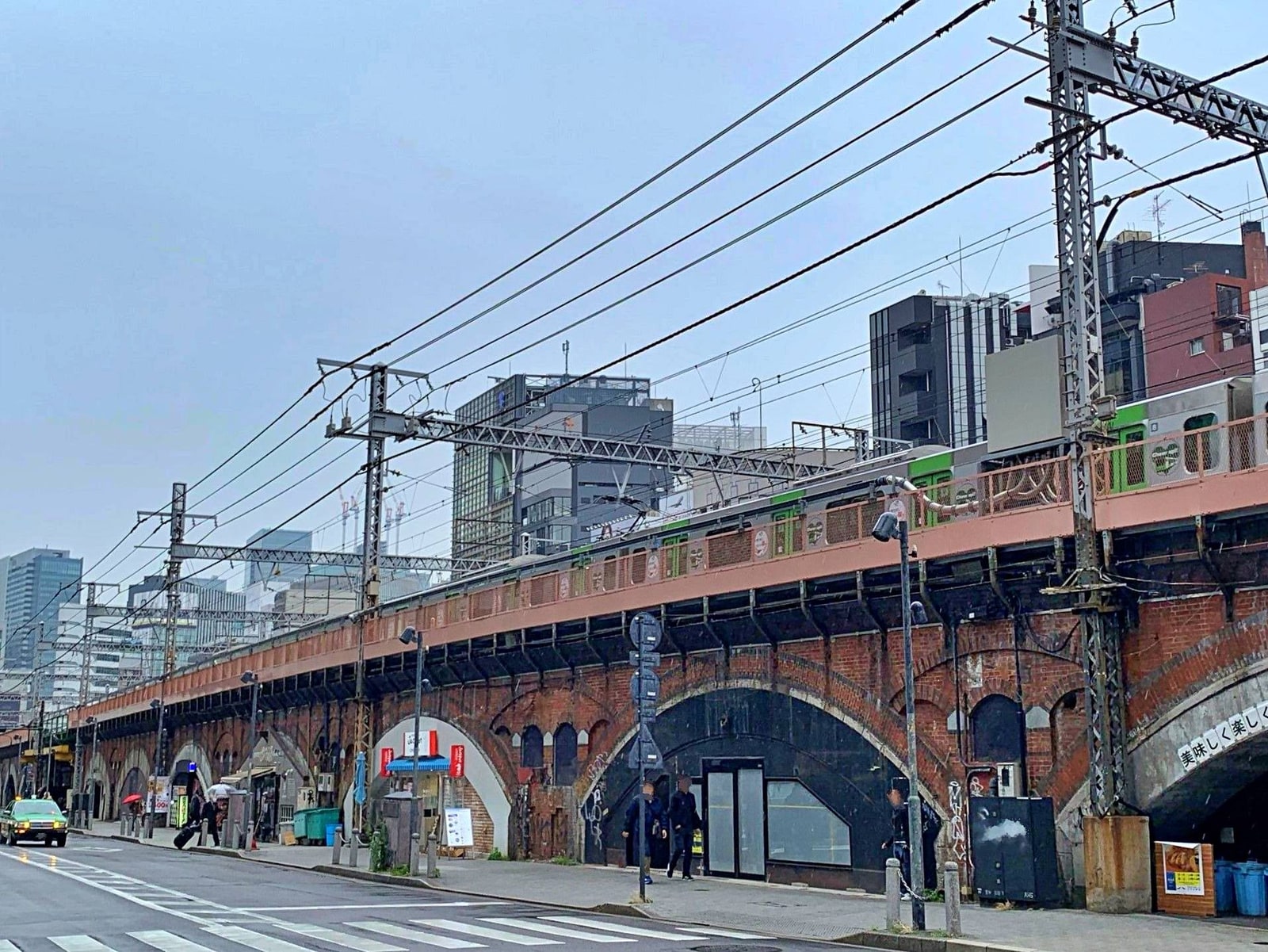
The route connects three sides of Shimbashi that are usually seen separately—national history, local belief and the everyday rituals of office Tokyo.
See the reconstructed first station and discover why the name “Shimbashi” moved down the tracks.
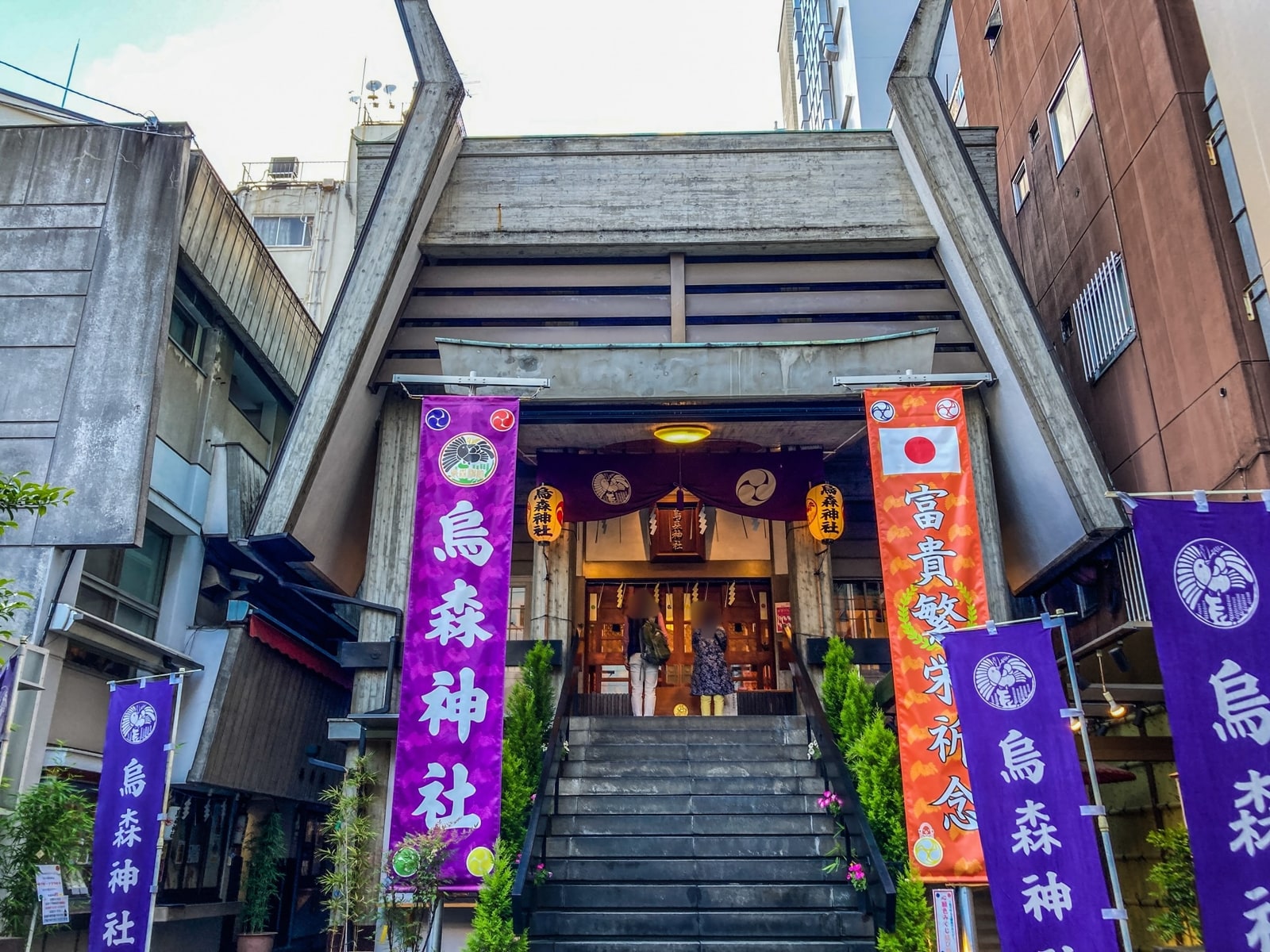
Step from modern office streets into Karasumori Shrine, where a white-fox legend still lives inside the working day.
Sit down with your guide at an everyday local restaurant as Tokyo’s workforce breaks for lunch around you.
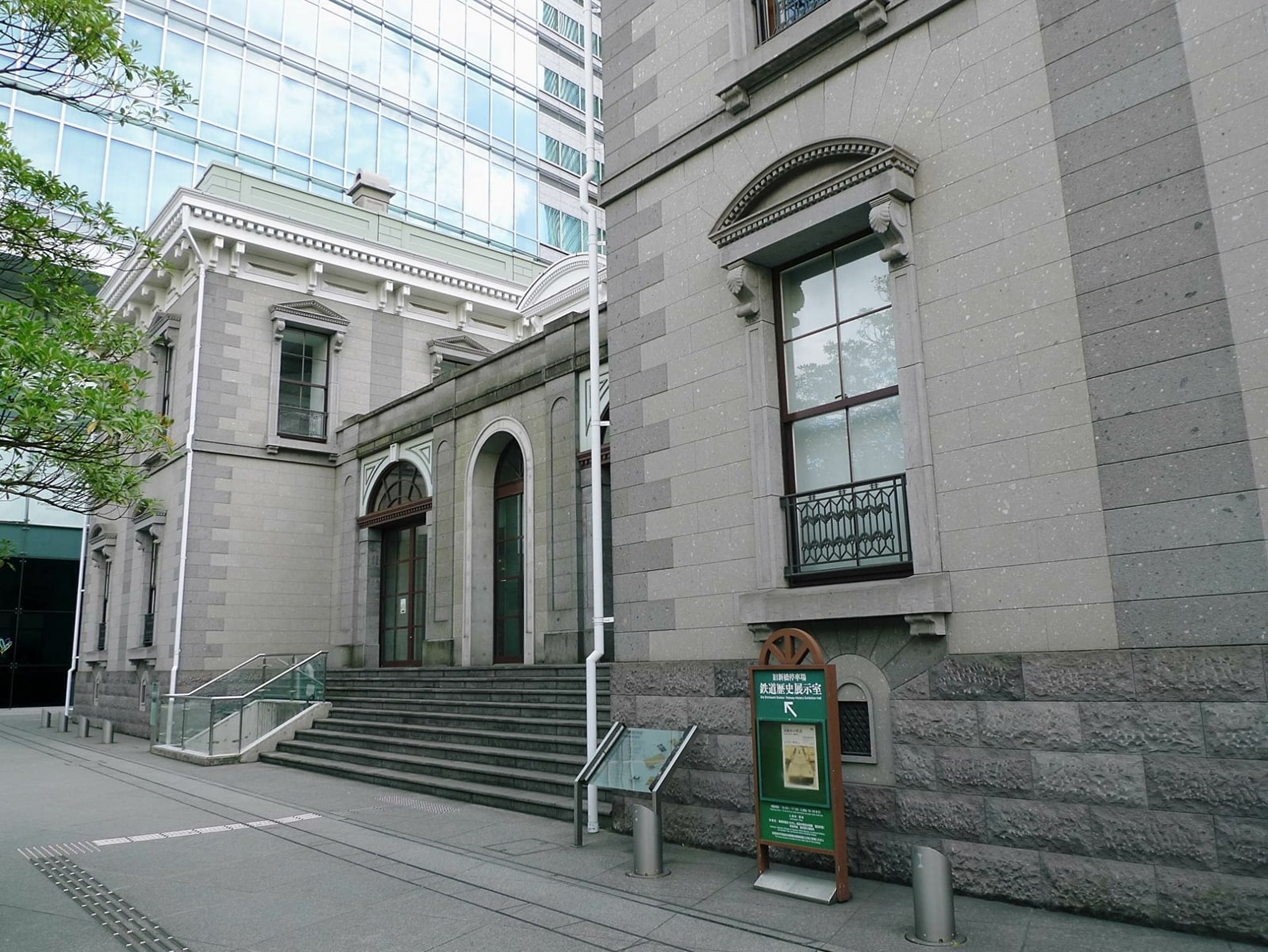
Stand on the ground from which the country’s first railway departed in 1872, then step inside the small history exhibition.
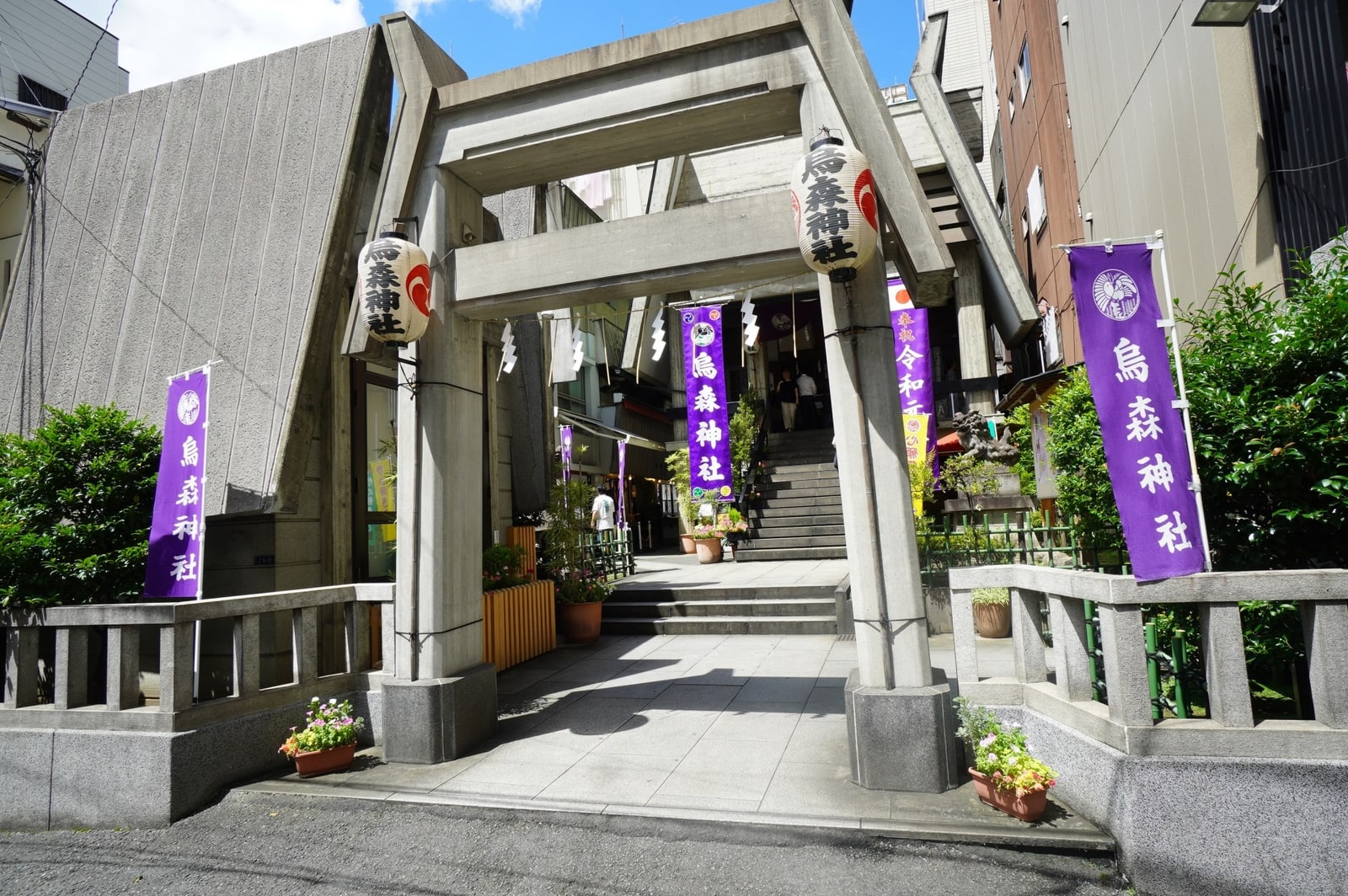
Karasumori Shrine was founded in 940 after a vision of a white fox. Hidden among towers, it still belongs to the neighbourhood’s daily rhythm.

As the neighbourhood breaks for lunch, take a seat with your guide and experience the working city from inside rather than watching from the pavement.
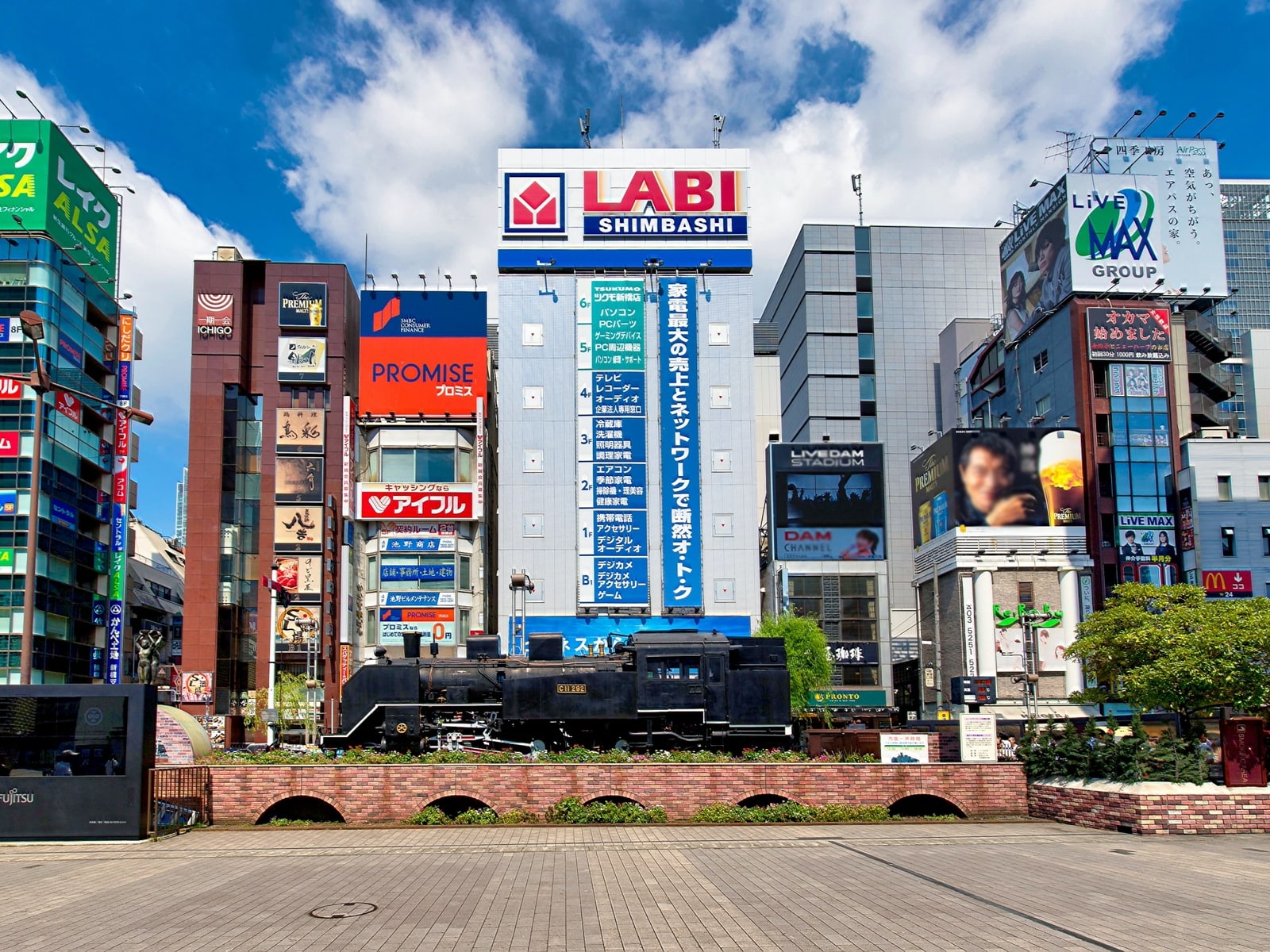
Monuments become meeting places, sacred ground sits beside office towers and the railway arches lead directly into the appetite of the working city.
The route may vary slightly with weather, opening hours and conditions in the neighbourhood that day.
This exact district sent off Japan’s first railway on 14 October 1872. The faithful station reconstruction now brings that beginning back to street level.
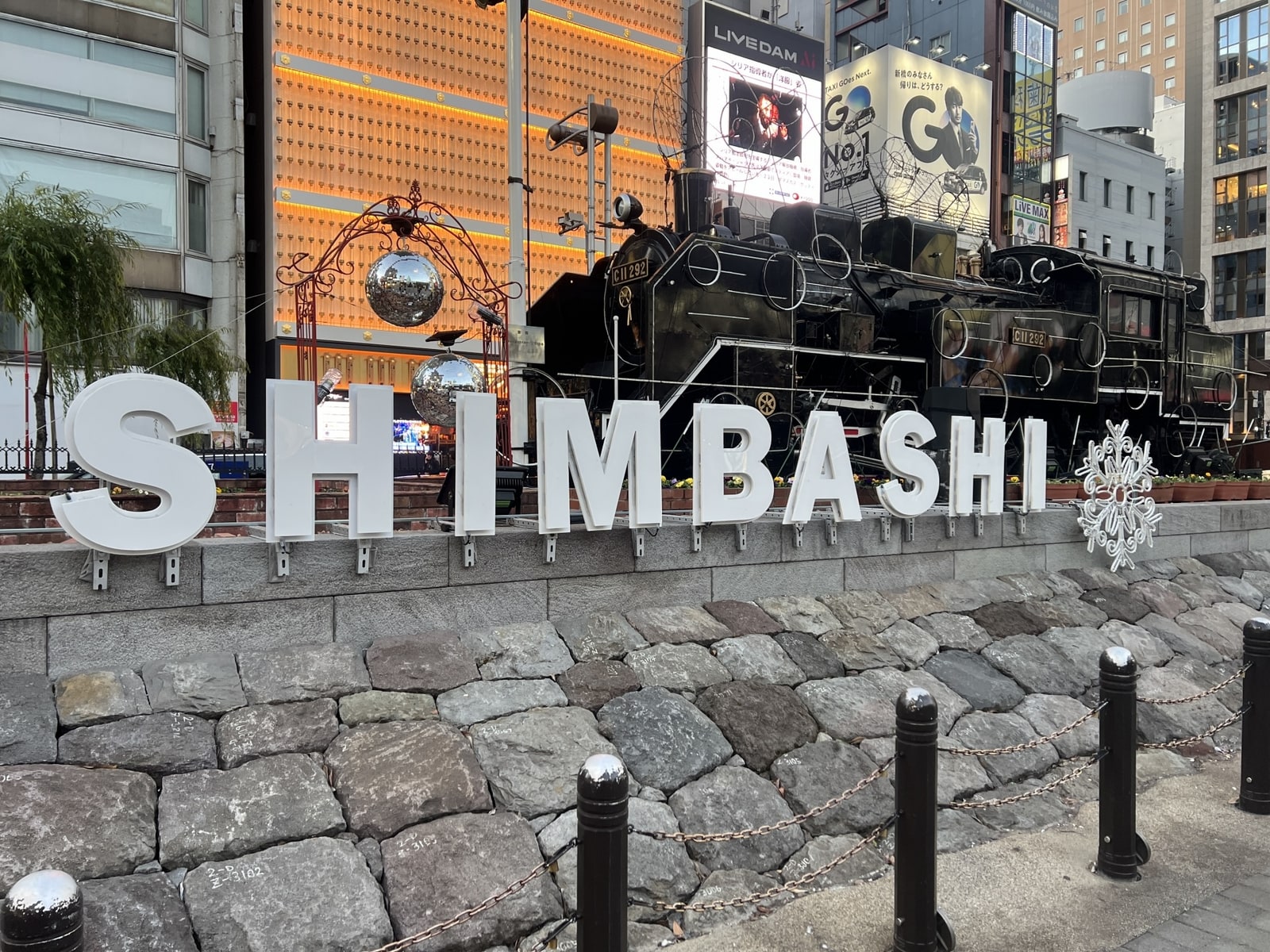
Meet the real C11-292 locomotive installed for the railway’s centenary, and hear how “Shimbashi” was once the name of a different station nearby.
Slip behind the office towers to a shrine founded in 940, whose name recalls the crows that once nested in the pine forest here.
Walk beneath the elevated railway completed in 1910, where postwar low rents helped turn the arches into an enduring salaryman sanctuary.
As lunchtime gathers pace, sit down with your guide at a neighbourhood favourite and watch Tokyo’s workforce descend around you.
Route order and stops may change with opening hours, weather and walking conditions.
Your guide turns dates, buildings and daily rituals into a connected story—why the station moved, why a shrine survived and why lunch reveals so much about working Tokyo.
UJ’s neighbourhood walks are designed to feel personal rather than performed. There is space for questions and the small exchanges that make a place memorable.
Moderate walking: approximately three hours of relaxed walking during the four-hour experience, with a seated lunch break of about one hour. Comfortable shoes are recommended.
Sit down with your guide at a casual local restaurant—the kind of place a Shimbashi regular might choose. A standard meal is included; the exact restaurant and menu depend on opening hours, group size and dietary needs. This is not a food tour, but a window into how the working city actually runs.
Please tell us about dietary requirements when booking.
¥15,000 per guest · Solo guest ¥26,000
Private group of 1–6 guests. A simple neighbourhood lunch is included.

Booking and payment are securely processed by Bókun. Availability shown in the calendar is live.
Guests aged 6 and over are charged the same per-person rate. Children aged 0–5 may join free of charge. Their lunch is not included in the tour price and is payable directly at the restaurant. Your guide will be happy to help you choose and order a suitable meal on the day. Every child counts toward the private group limit of six.
Expect around three hours of relaxed walking during the four-hour experience, followed by approximately one hour for lunch with your guide. Comfortable walking shoes are essential.
Some older paths, steps or crowded lanes may not be fully barrier-free. Please contact us before booking so we can discuss a realistic route for your group.
A simple everyday neighbourhood meal with your guide is included for guests aged six and over. Alcohol, desserts, extra dishes and upgrades are paid separately.
The experience normally operates in light rain. Your guide may adjust the route for comfort and safety. In severe weather, we will contact you about the available options.
Yes. This is a private experience for 1–6 guests, so your guide can keep a comfortable pace and allow time for questions.