
Tokyo: Edo-Era Crafts – Blow a Glass Wind Chime & Paint a Daruma in Asakusa
Discover crafts born in the Edo era and still kept alive by a handful of Tokyo artisans. Blow your own glass wind chime, paint a lucky Daruma, and stroll from Asakusa to Ueno with a local guide.
Living Edo Crafts: A Private Day with Tokyo's Traditional Artisans
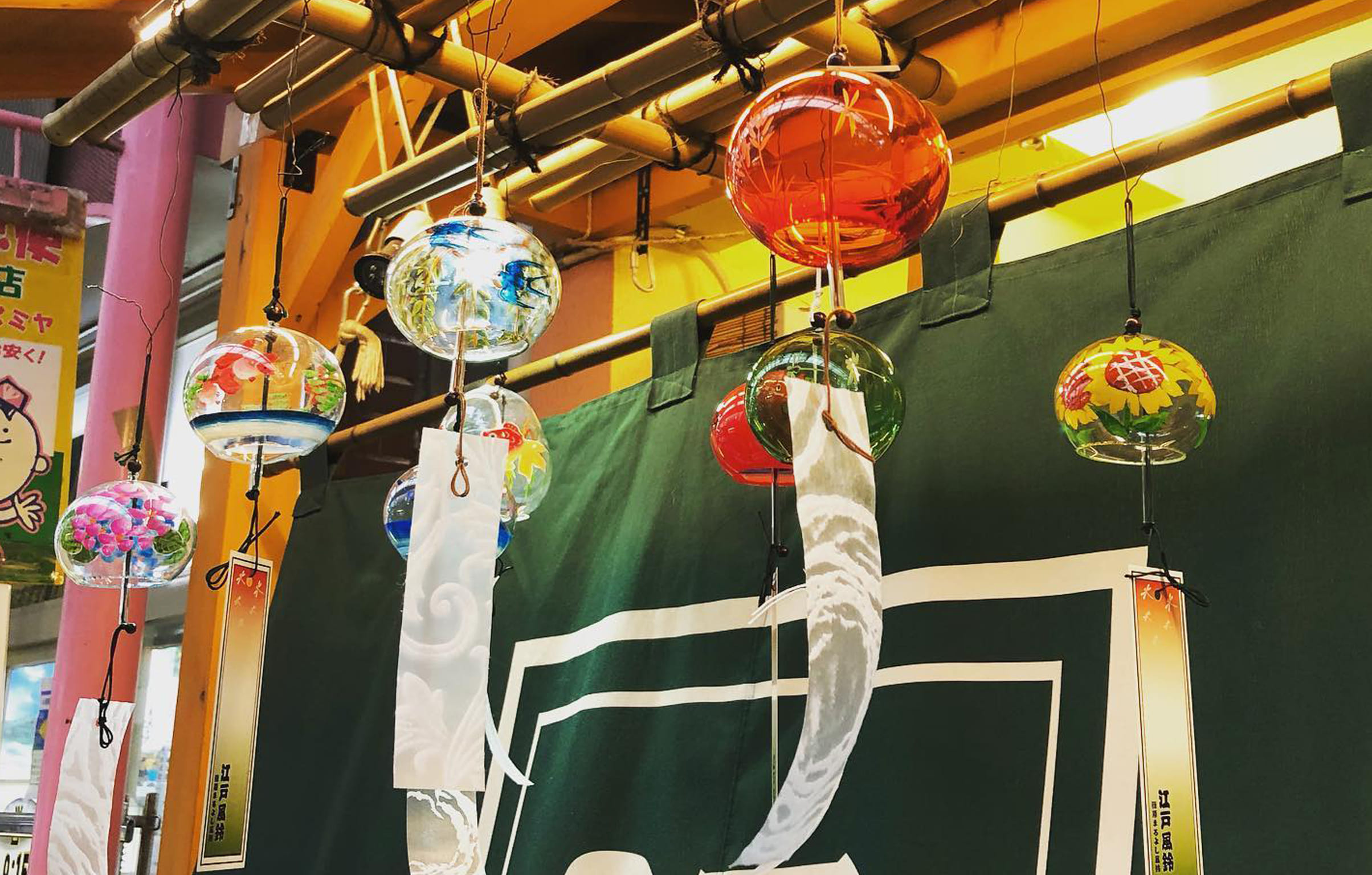
Glass wind chimes and Daruma dolls were part of everyday life in Edo, the city that became Tokyo. Today these crafts live on in small workshops, where the skills are quietly passed from one generation to the next. On this private full-day tour, you step into that world, learn from the artisans themselves, and take home two crafts you made with your own hands.
1. Morning in Old Asakusa
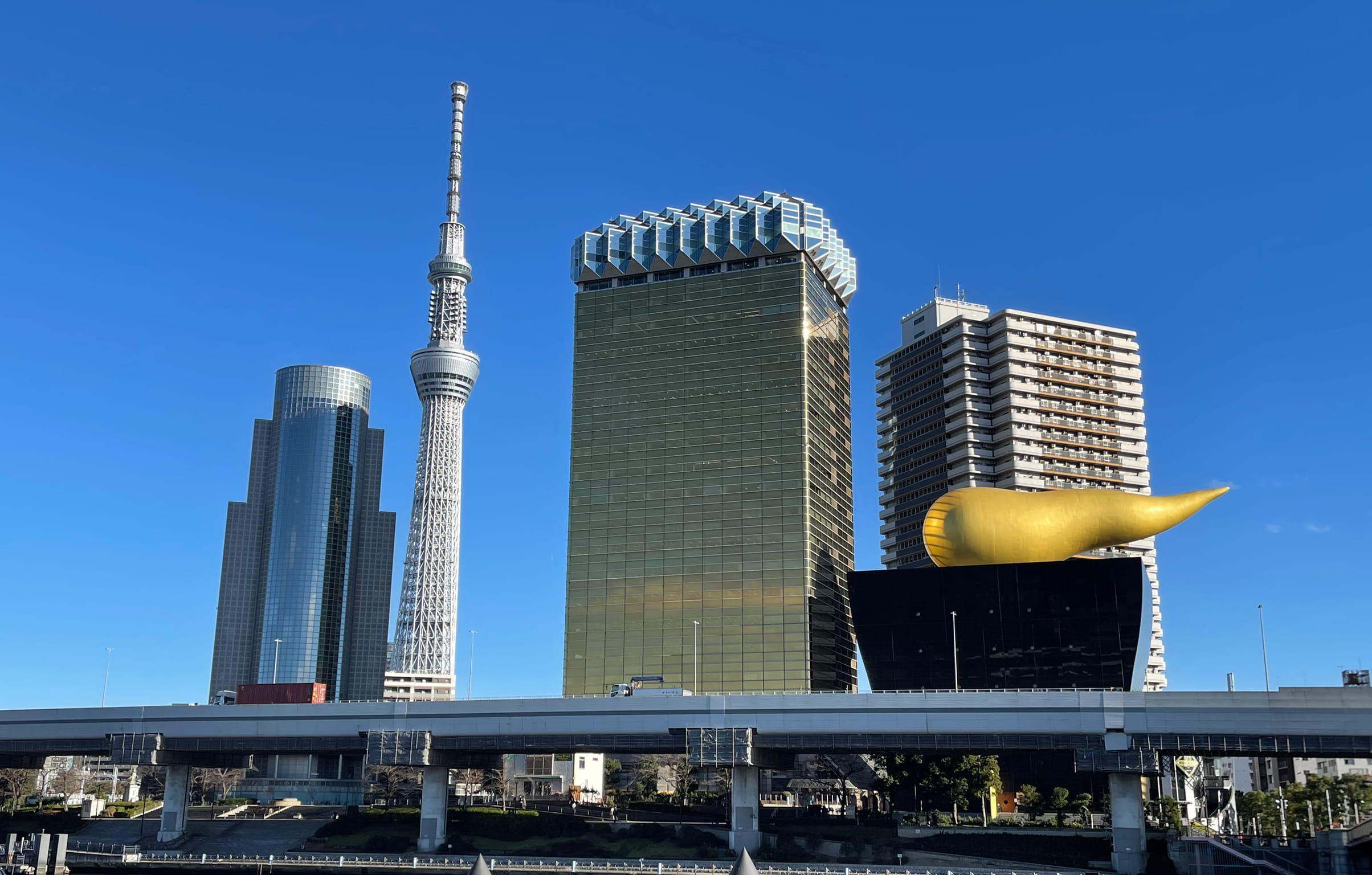
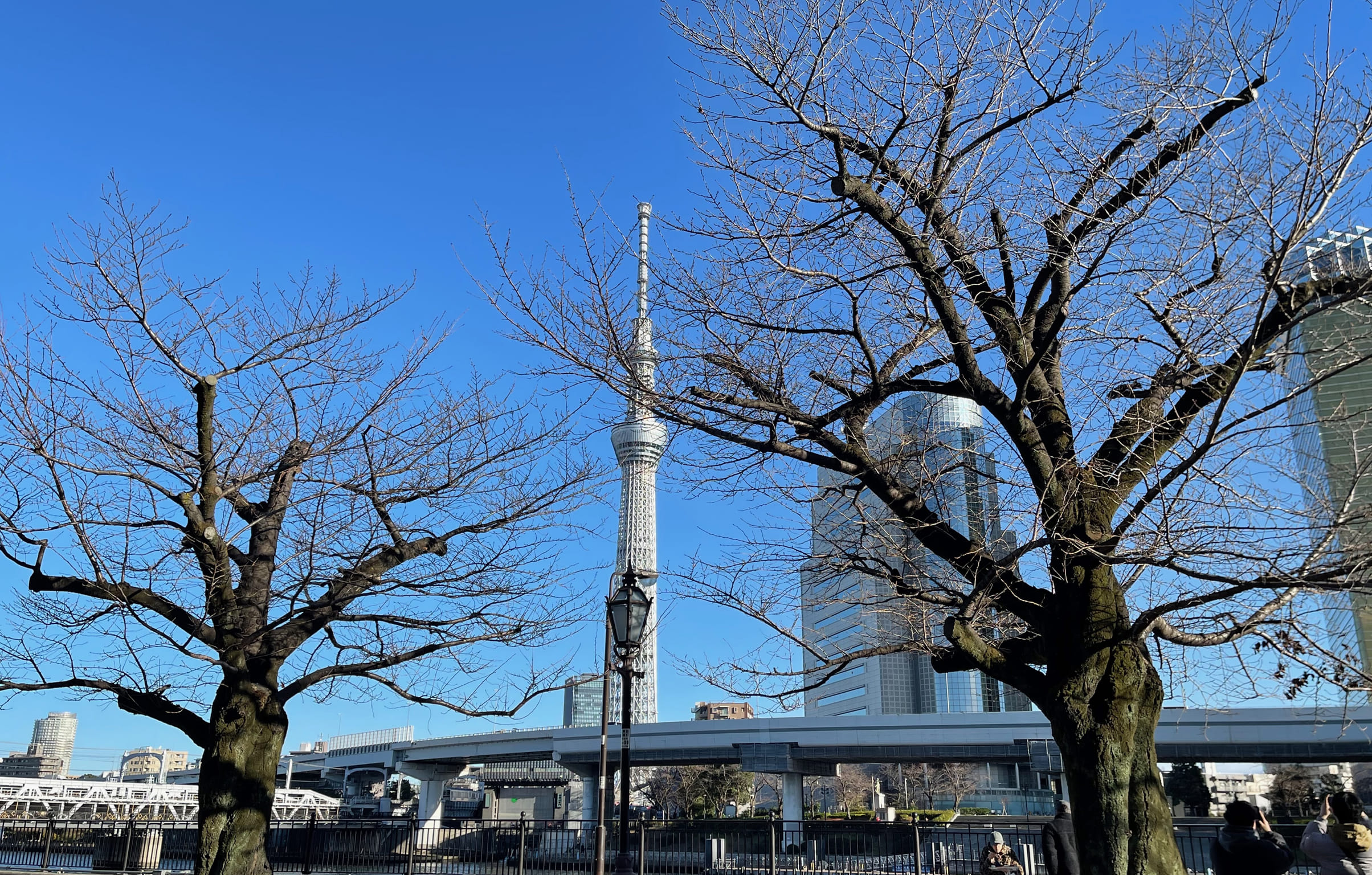
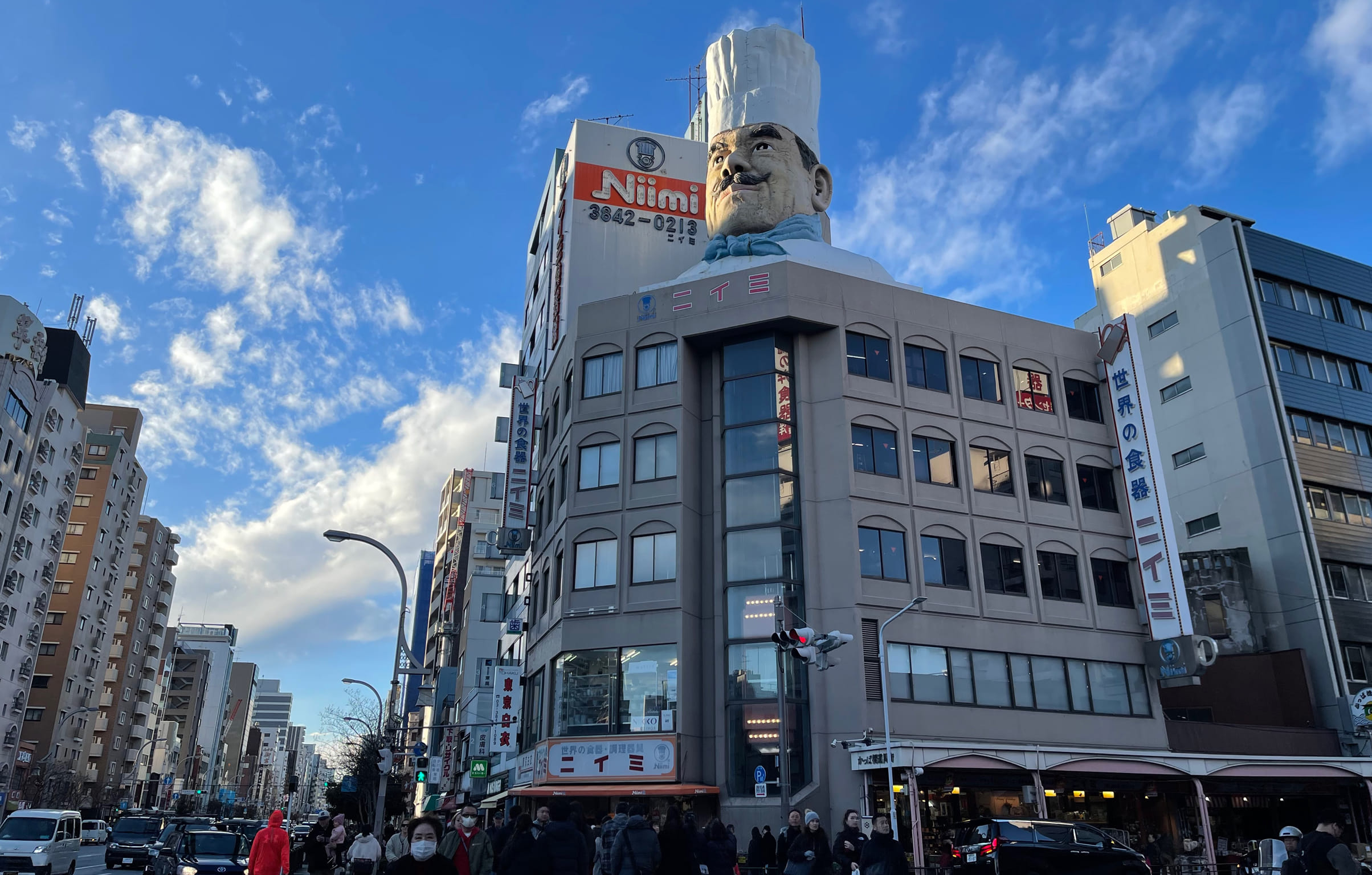
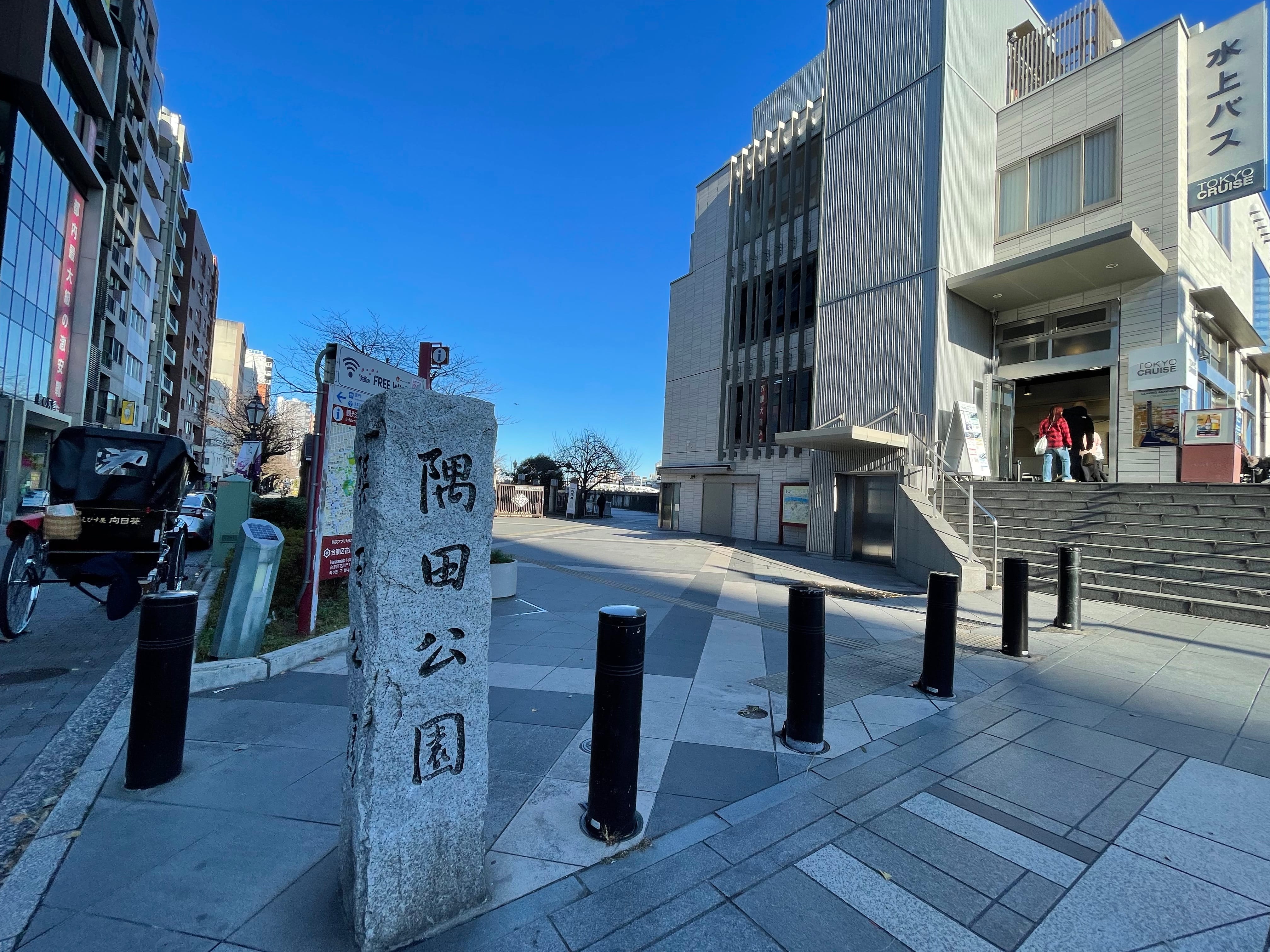
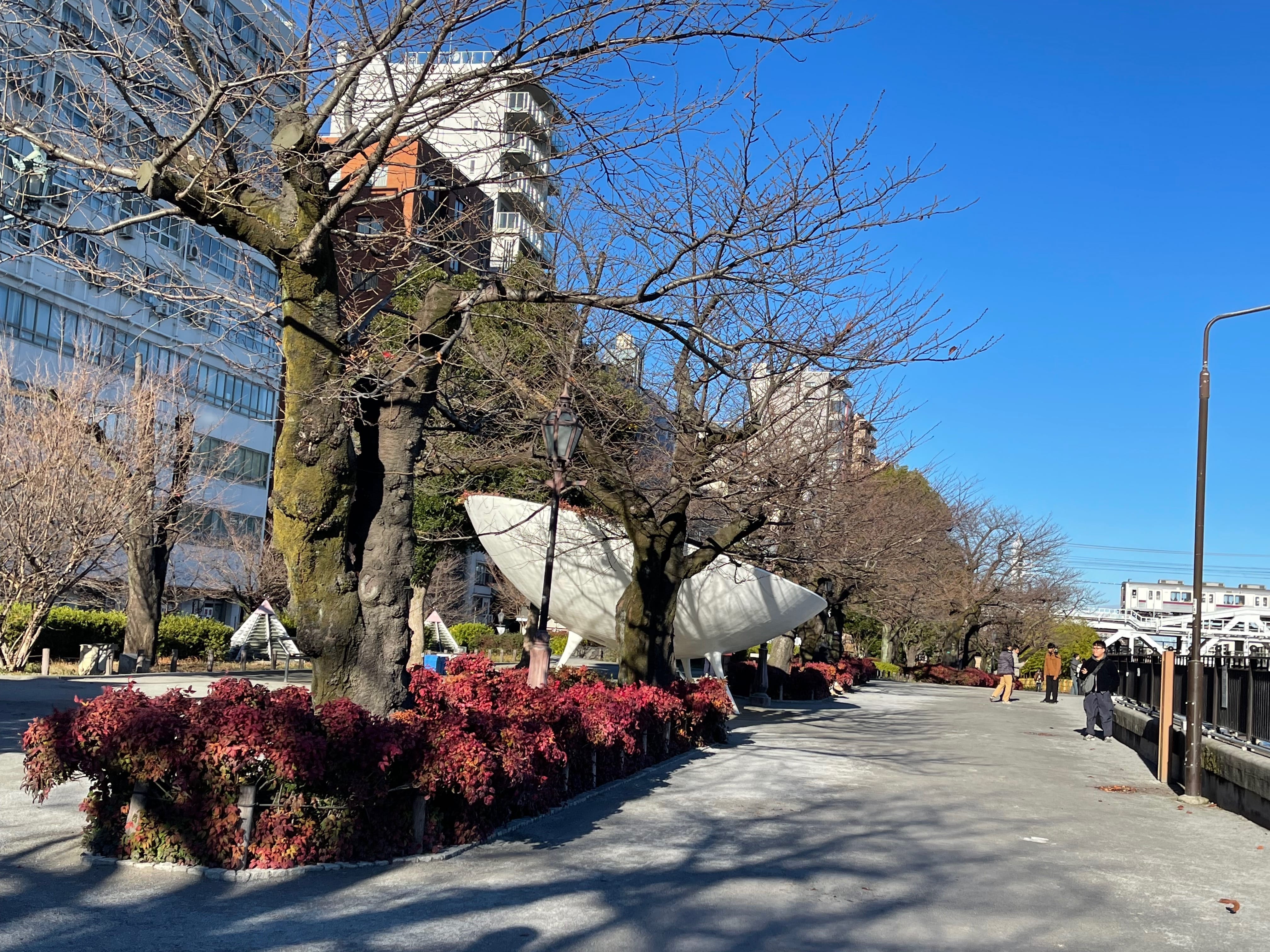
We meet at 9:00 at the Asakusa Culture Tourist Information Center, where the rooftop terrace gives you a view over Senso-ji and Tokyo Skytree. With your local guide, stroll through Sumida Park, the Edo-style lanes of Denbouin-dori with their old sweet shops, the Asakusa Rokku entertainment district, and Kappabashi Kitchen Town as the shops begin to open.
2. Blow Your Own Edo Glass Wind Chime
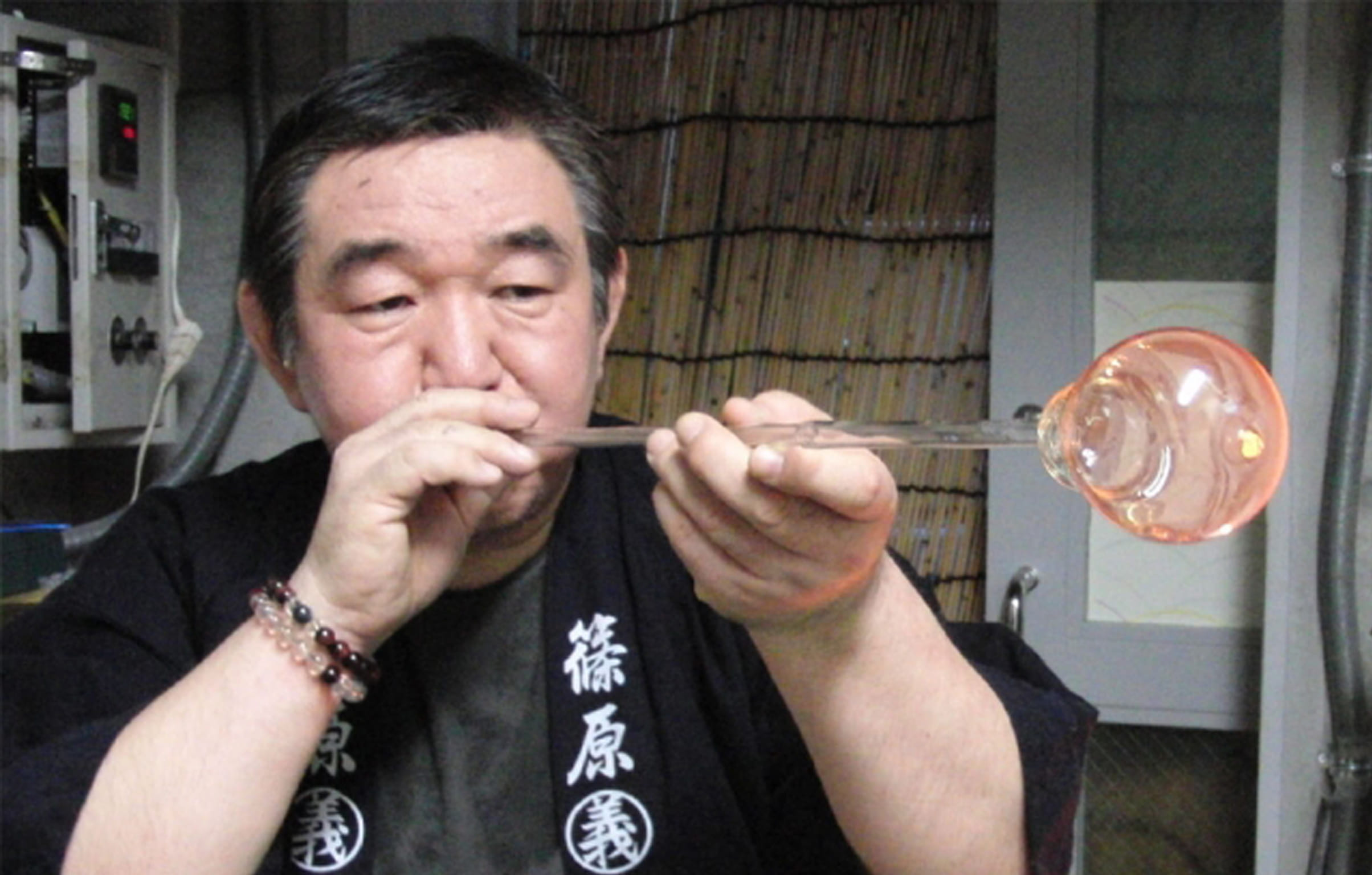
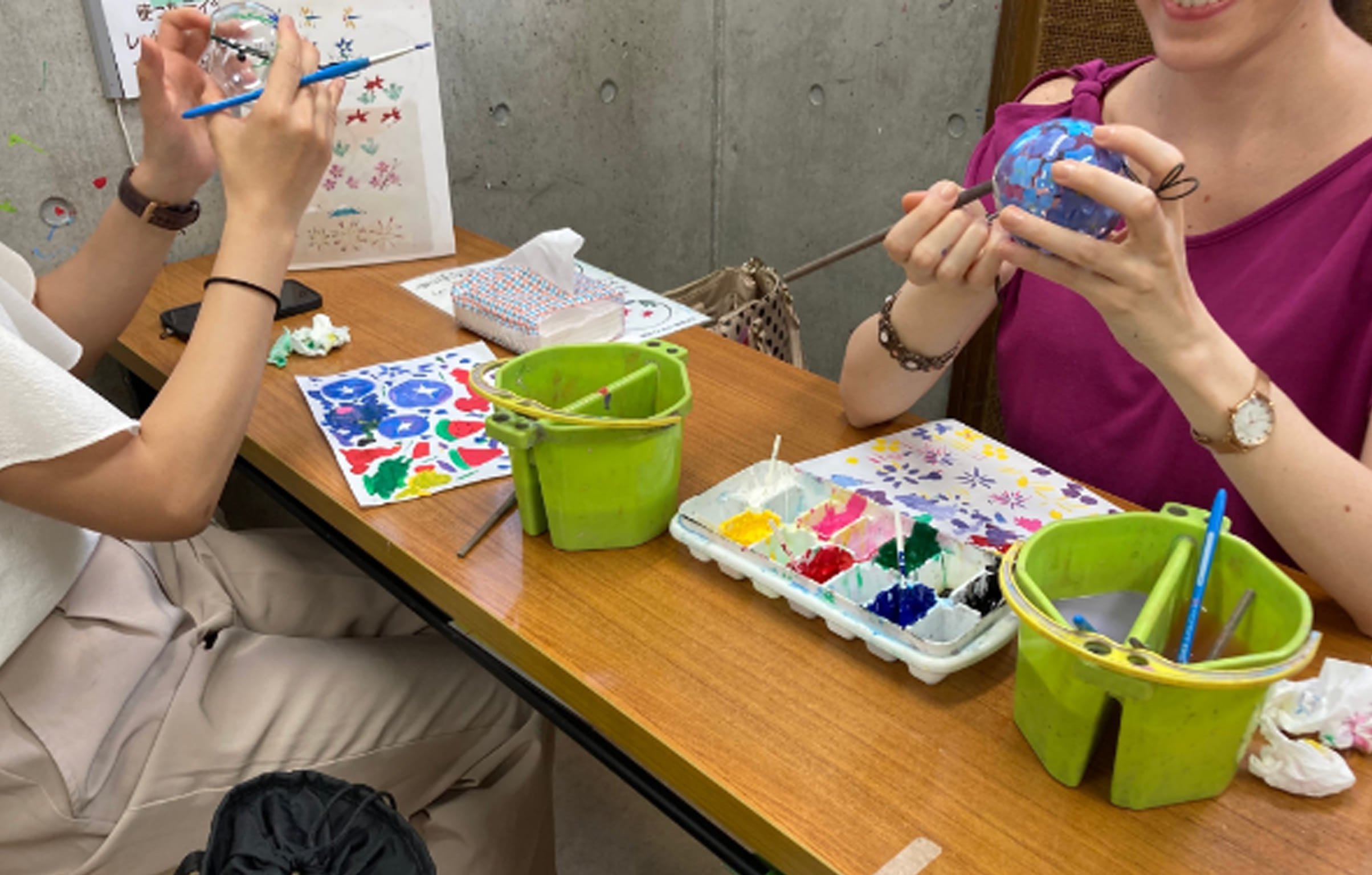
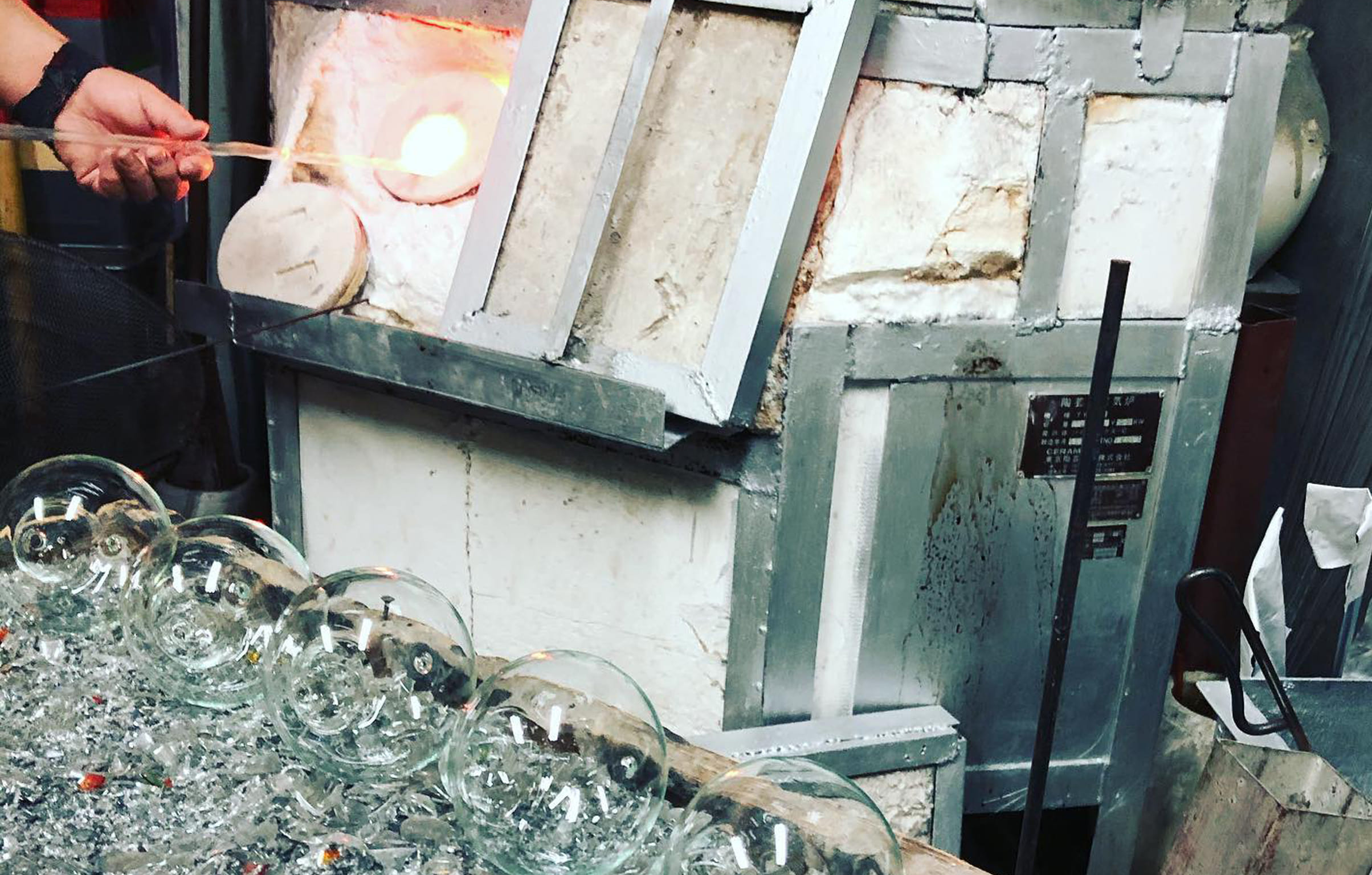
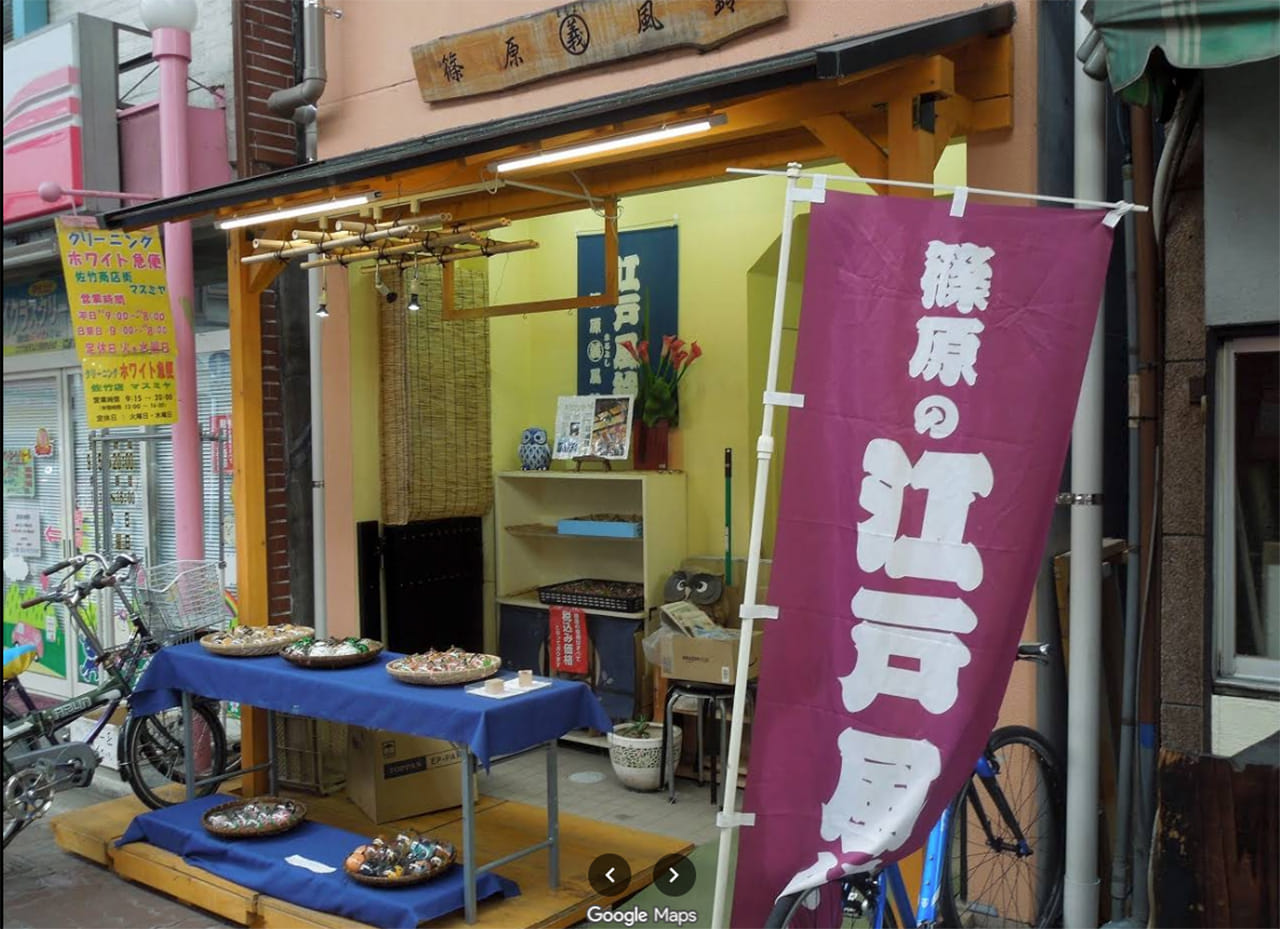
At Shinohara Maruyoshi Furin, a long-established workshop that still makes Edo furin (glass wind chimes) by hand in the traditional way, a craftsman guides you as you blow molten glass into your own shape. Once it has cooled, you paint your design from the inside, just as artisans have done for generations, and learn why the rough-cut rim gives the chime its clear, cooling sound of a Japanese summer.
3. A Walk Back in Time & Lunch in Ameyoko
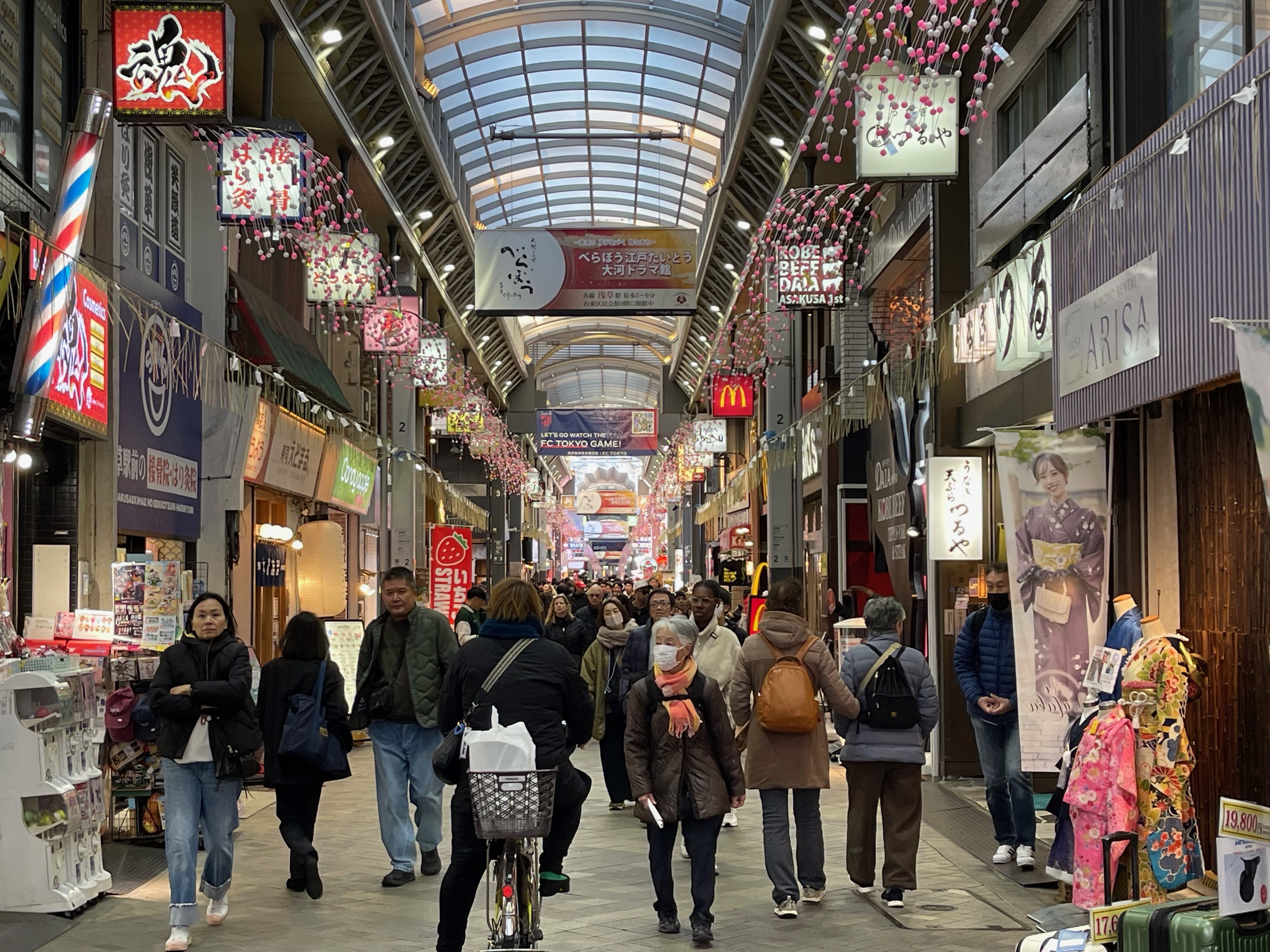
Walk through Satake Shopping Street, which stands on the grounds of the former Edo residence of the Satake lords of Akita. In the early Meiji era, show tents, storytelling halls and food stalls gathered here, and in 1898 the shopkeepers formed an association, making it the second organized shopping street in Japan, after Katamachi in Kanazawa. Then dive into the lively lanes of Okachimachi and Ameyoko. Your guide will point you to the places locals actually eat, from sushi counters to ramen and set-meal shops. Lunch is your own choice and paid on the spot.
4. Paint a Lucky Daruma at 2k540
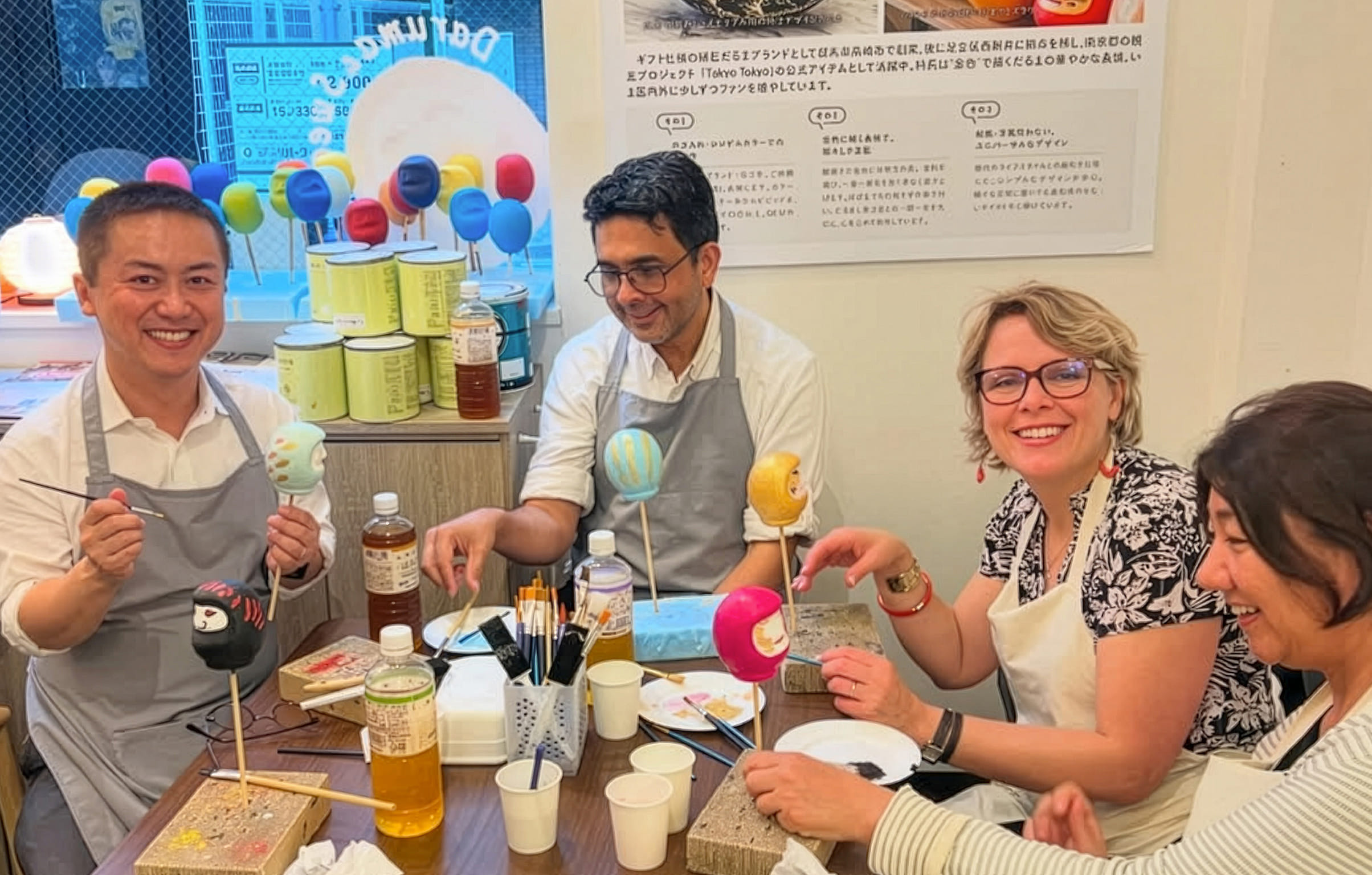
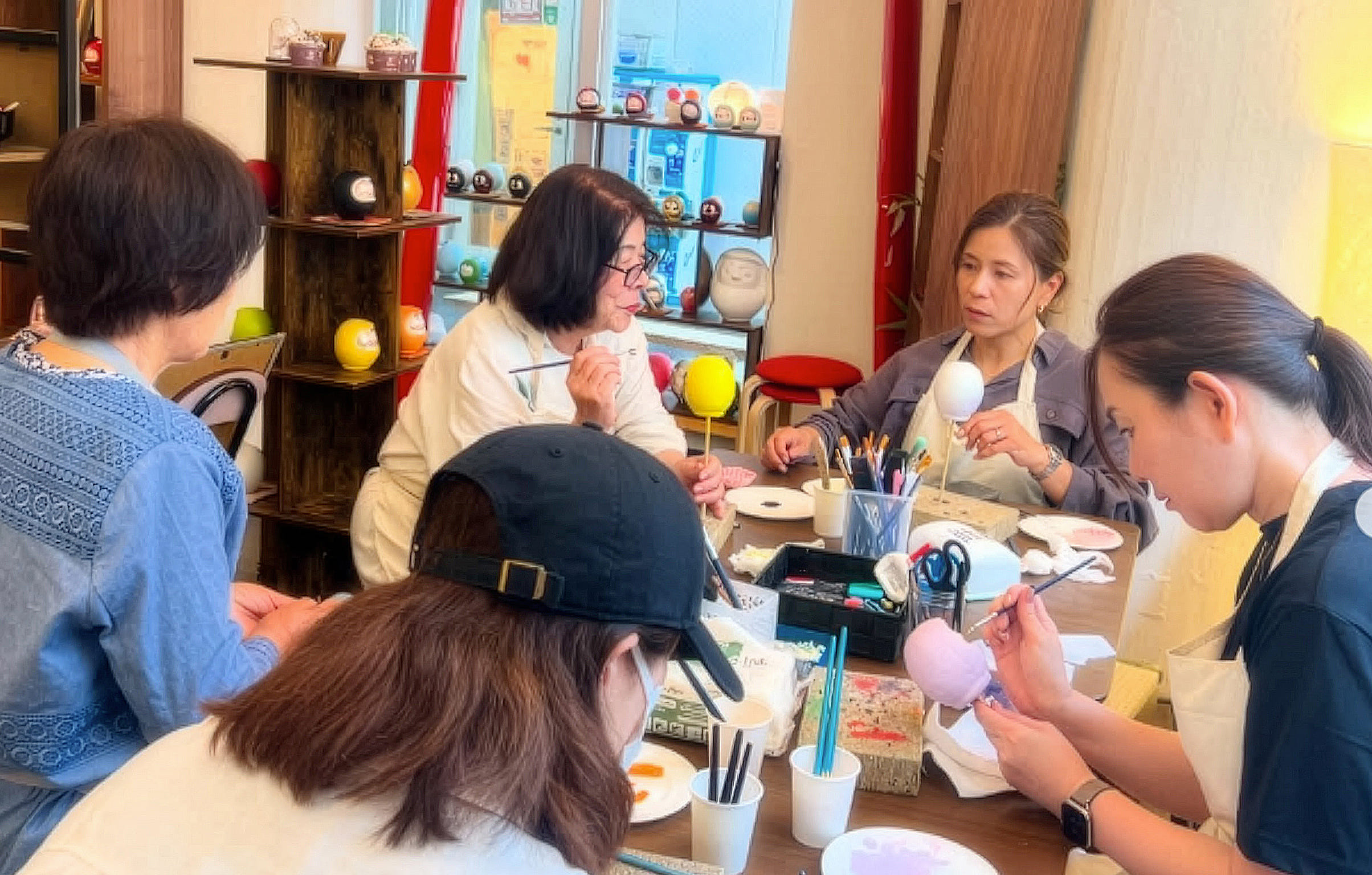
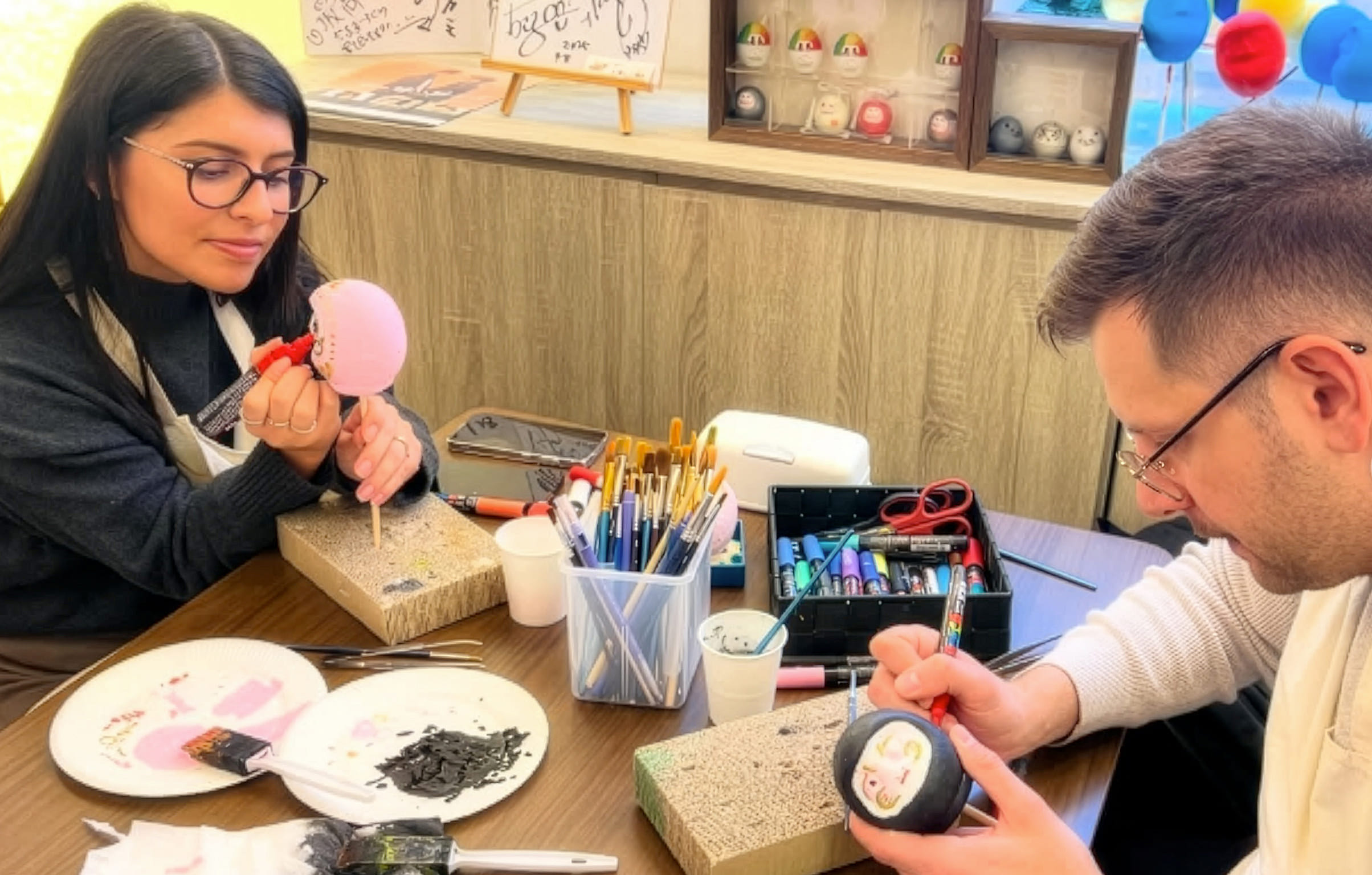
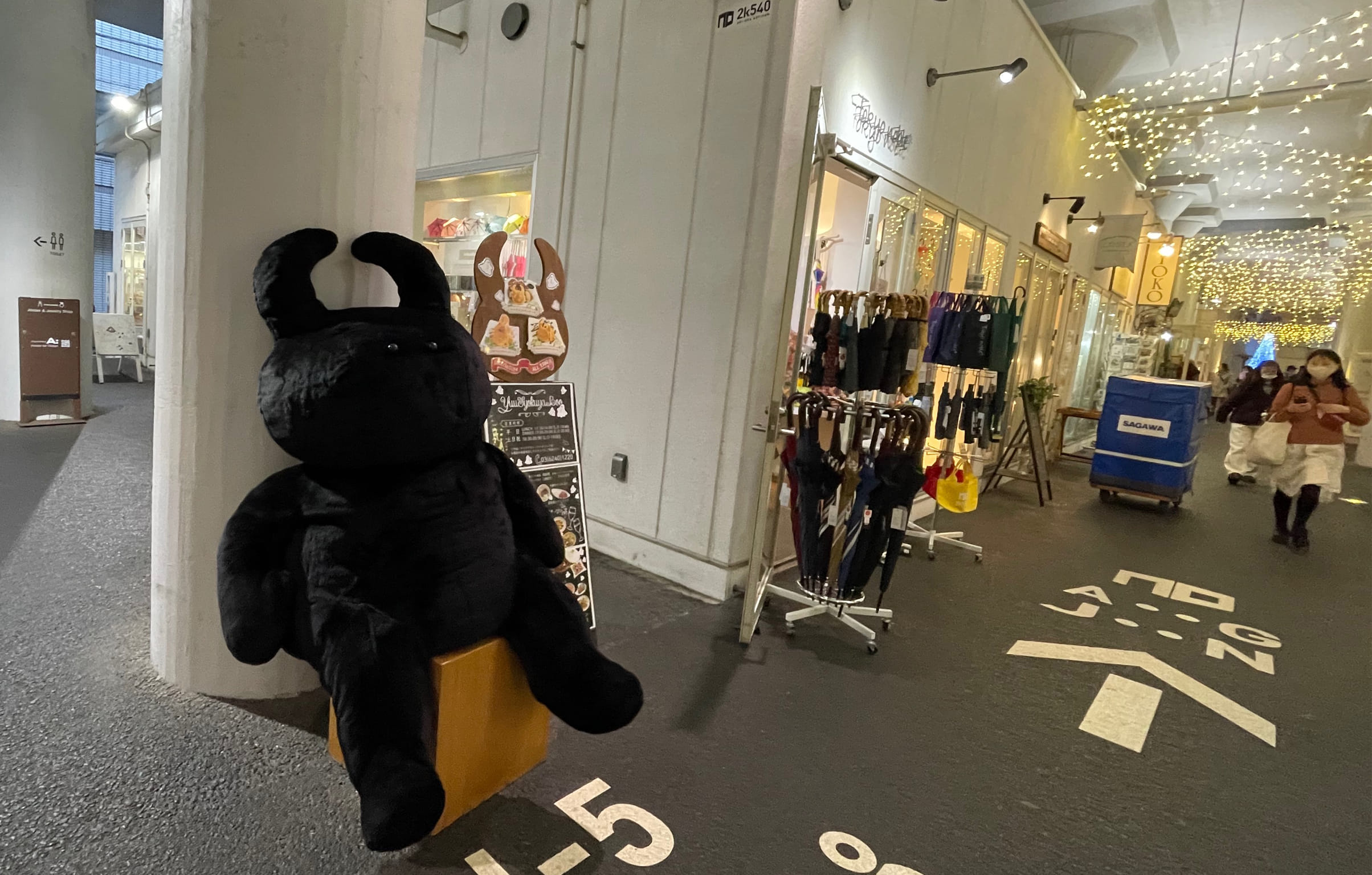
Under the railway tracks lies 2k540 Aki-Oka Artisan, a quiet white street of small craft studios. At Happy Daruma, you paint your own Daruma, the round good-luck figure that became a favorite charm in the Edo era. Fill in the left eye as you make a wish; tradition says you fill in the right eye when it comes true.
5. Farewell in Ueno Park
End the day with a walk through Ueno Park, past the Statue of Saigo Takamori and Kiyomizu Kannon-do Temple with its famous "Moon Pine". The tour finishes at the wooden Park Gate of JR Ueno Station, so heading on to your next stop is easy.
Why This Tour
- Learn crafts from the Edo era directly from the artisans who keep them alive
- Make two real crafts by hand and take both home on the day
- A private tour for your group only, with your own English-speaking guide
- See a side of Asakusa and Ueno that most visitors walk past