
TOKYO Neighbourhood Walk: Meguro — River, Art Deco & Urban Forest
Tokyo's most walkable river, a 1933 Art Deco palace built for a prince, and the hillside streets where samurai once lived and Tokyo's most fashionable neighbourhood was born.
The river the factories abandoned, and the neighbourhood that grew from it.
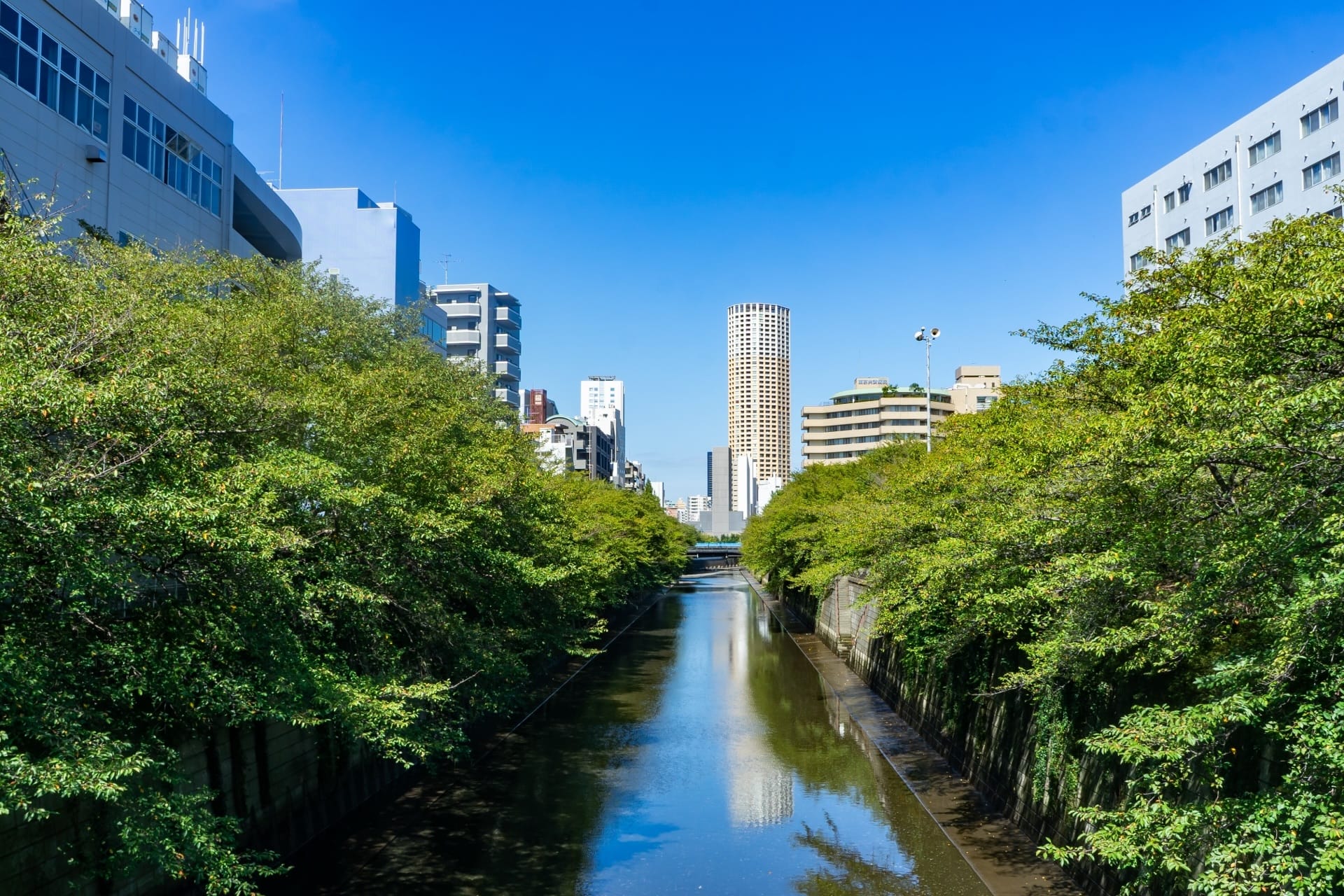
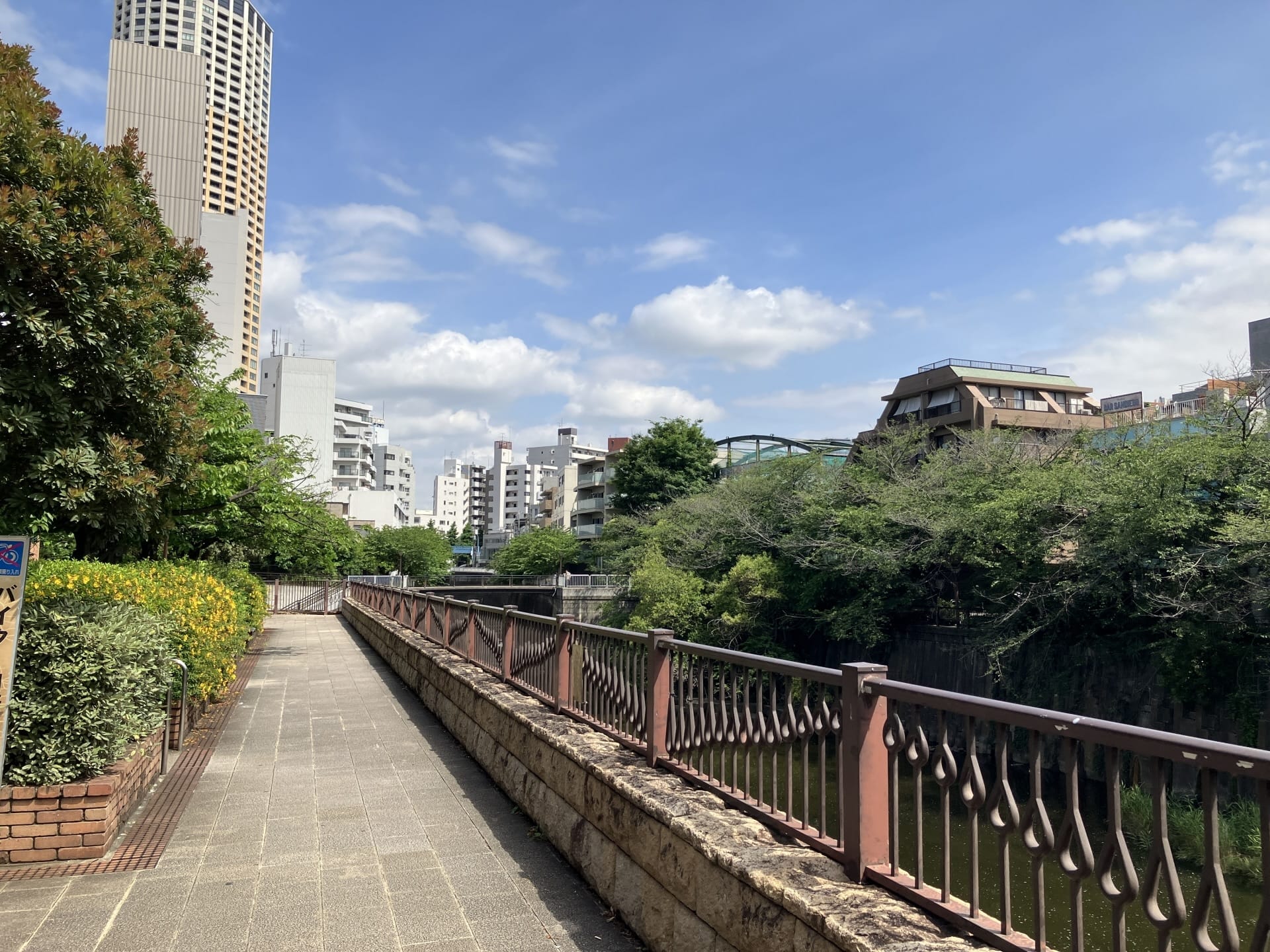
Part of the Tokyo Yamanote Line Walk series — slow walks through the neighbourhoods along Tokyo's famous loop line, one station at a time. Until the 1960s, factories lined the Meguro River, and textile dyers worked in its water into the 1950s. It was not, by any account, a place anyone went for leisure. In 1927, local volunteers began planting cherry trees along its banks as part of a river improvement project — around 800 of them eventually. It took decades for the trees to mature. When they finally did, the neighbourhood around them transformed completely, and today the Meguro River is one of Tokyo's most famous cherry-blossom spots, still lined with independent cafes, small galleries, and shops that don't exist anywhere else.
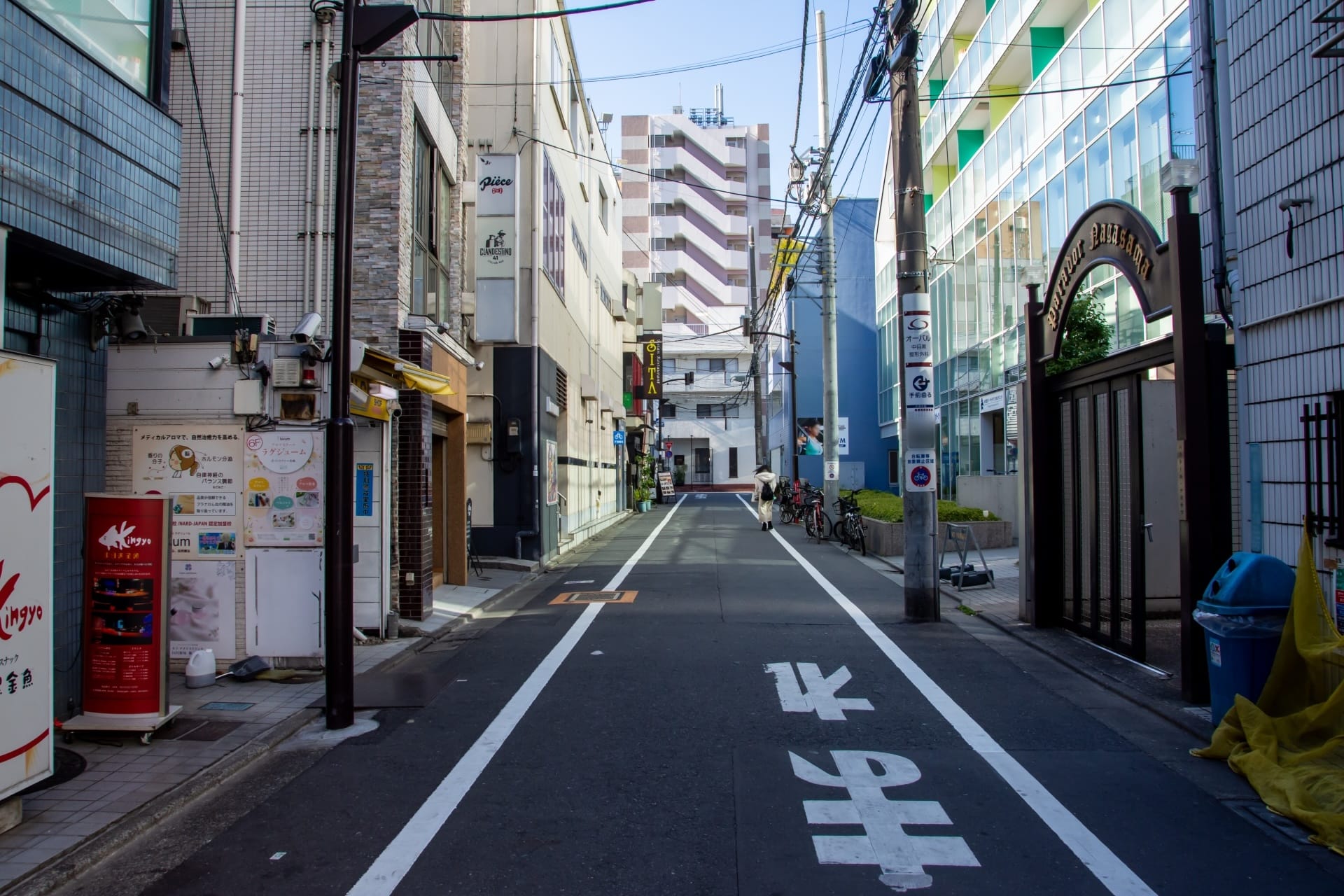
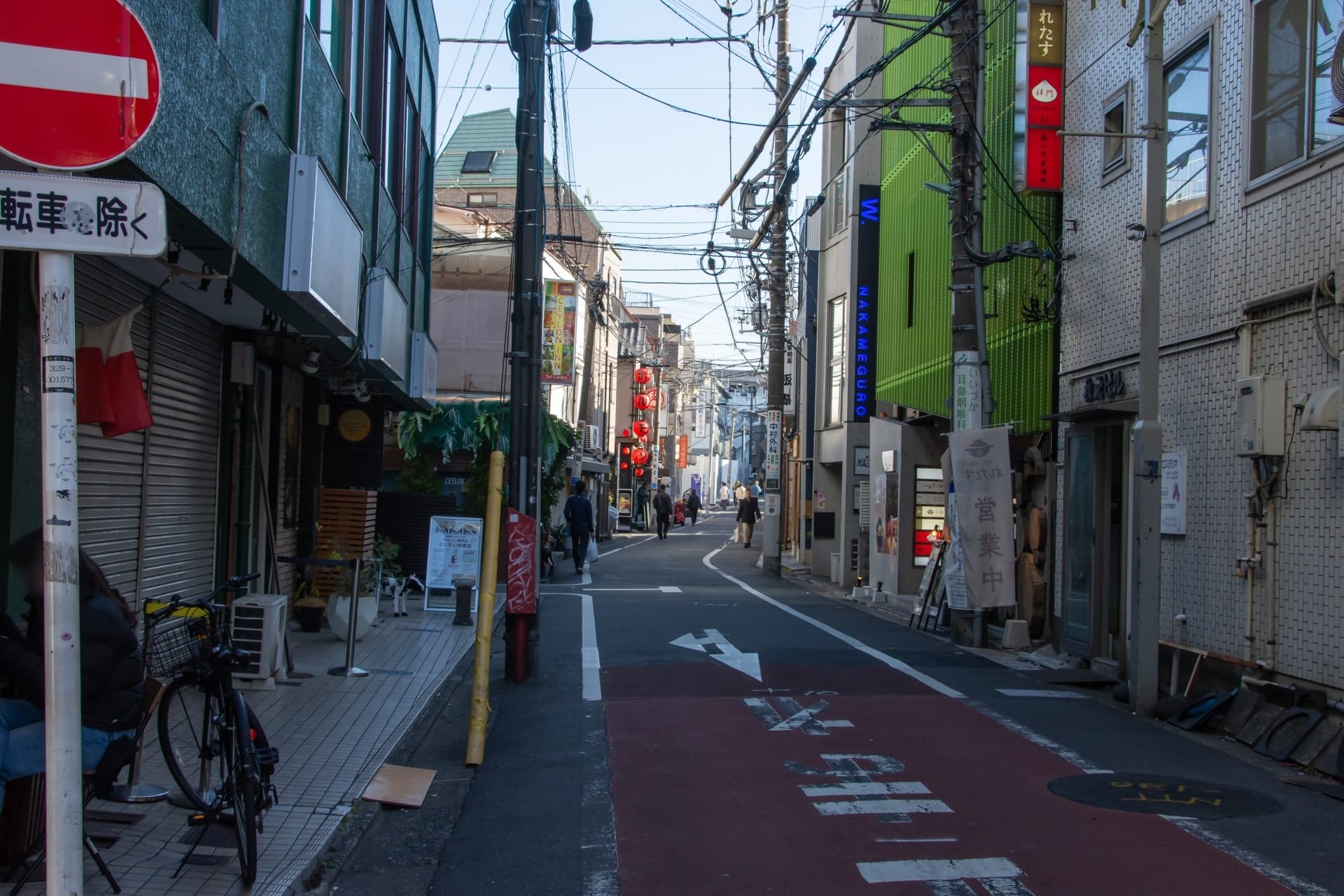
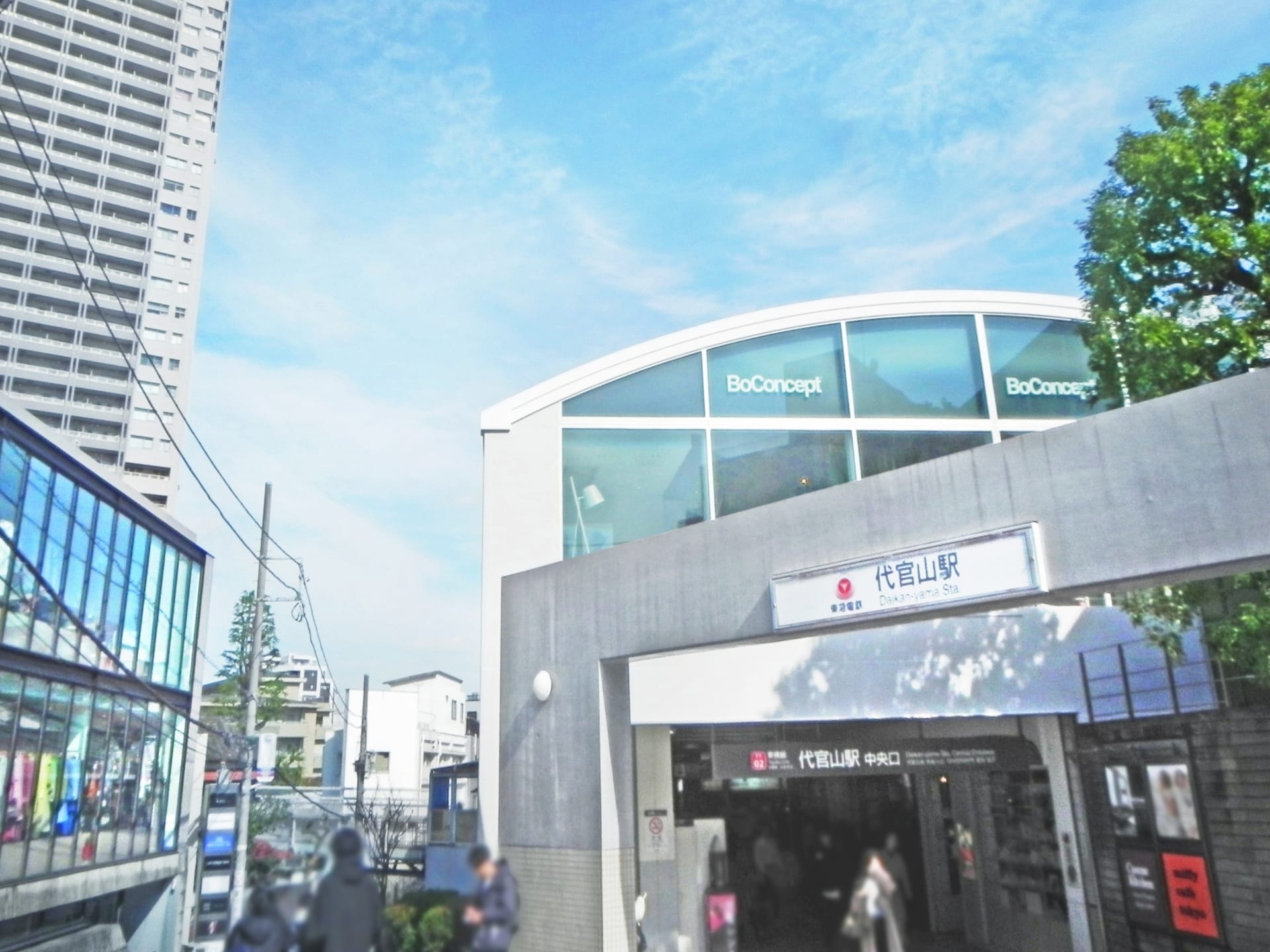
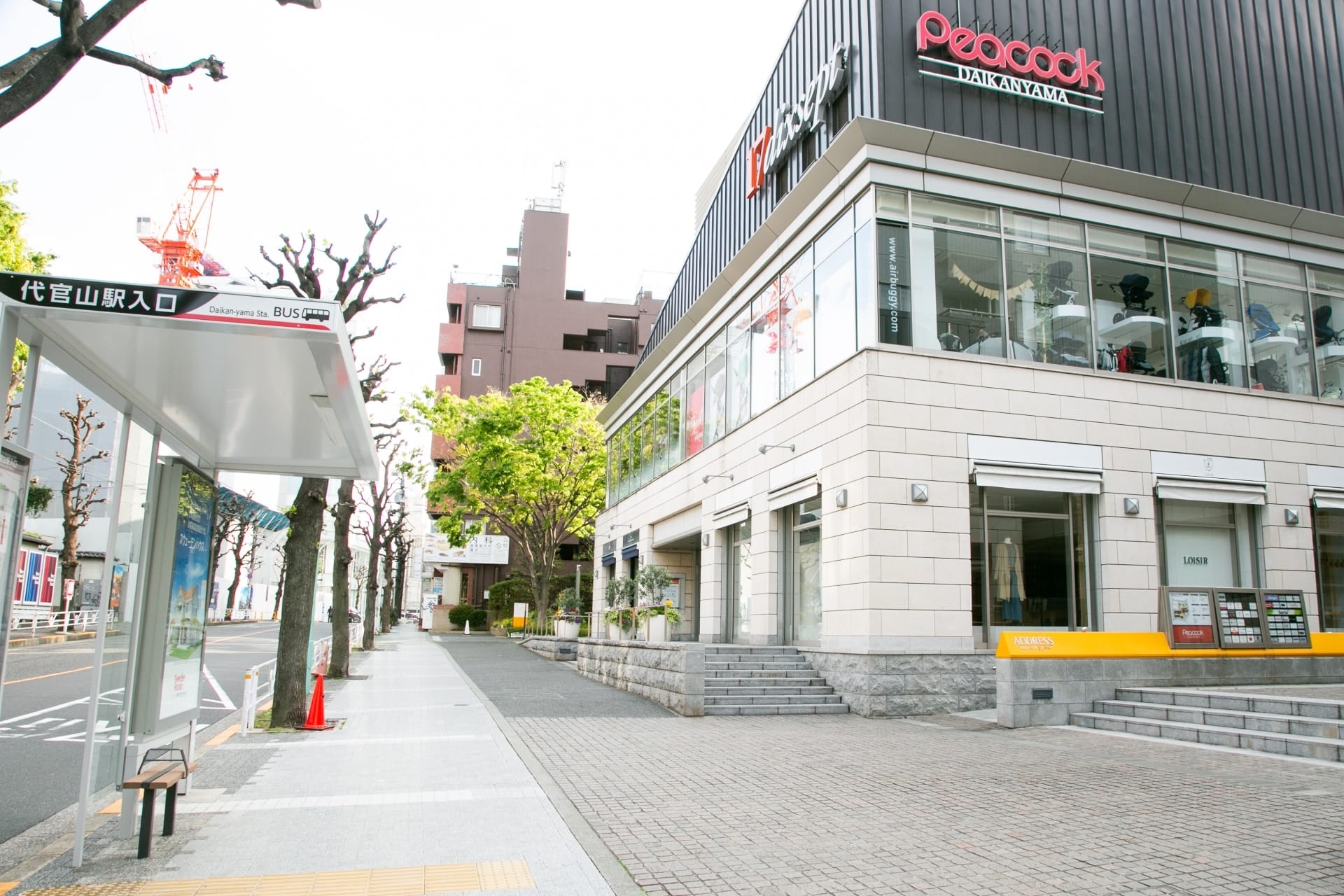
The walk detours into the residential backstreets of Nakameguro, then climbs into Daikanyama — a neighbourhood with a surprisingly long memory. Evidence of human habitation here dates back to the 7th century, and in the Edo period this hilltop was where samurai families kept their residences. After the 1923 Great Kanto earthquake, the Ministry of Home Affairs built one of Japan's first earthquake-resistant public housing projects here. In 1967, architect Fumihiko Maki was commissioned to develop what became Hillside Terrace, a project he worked on for 30 years. It set the tone for everything that followed, turning Daikanyama into the design-conscious, boutique-lined neighbourhood it is today.
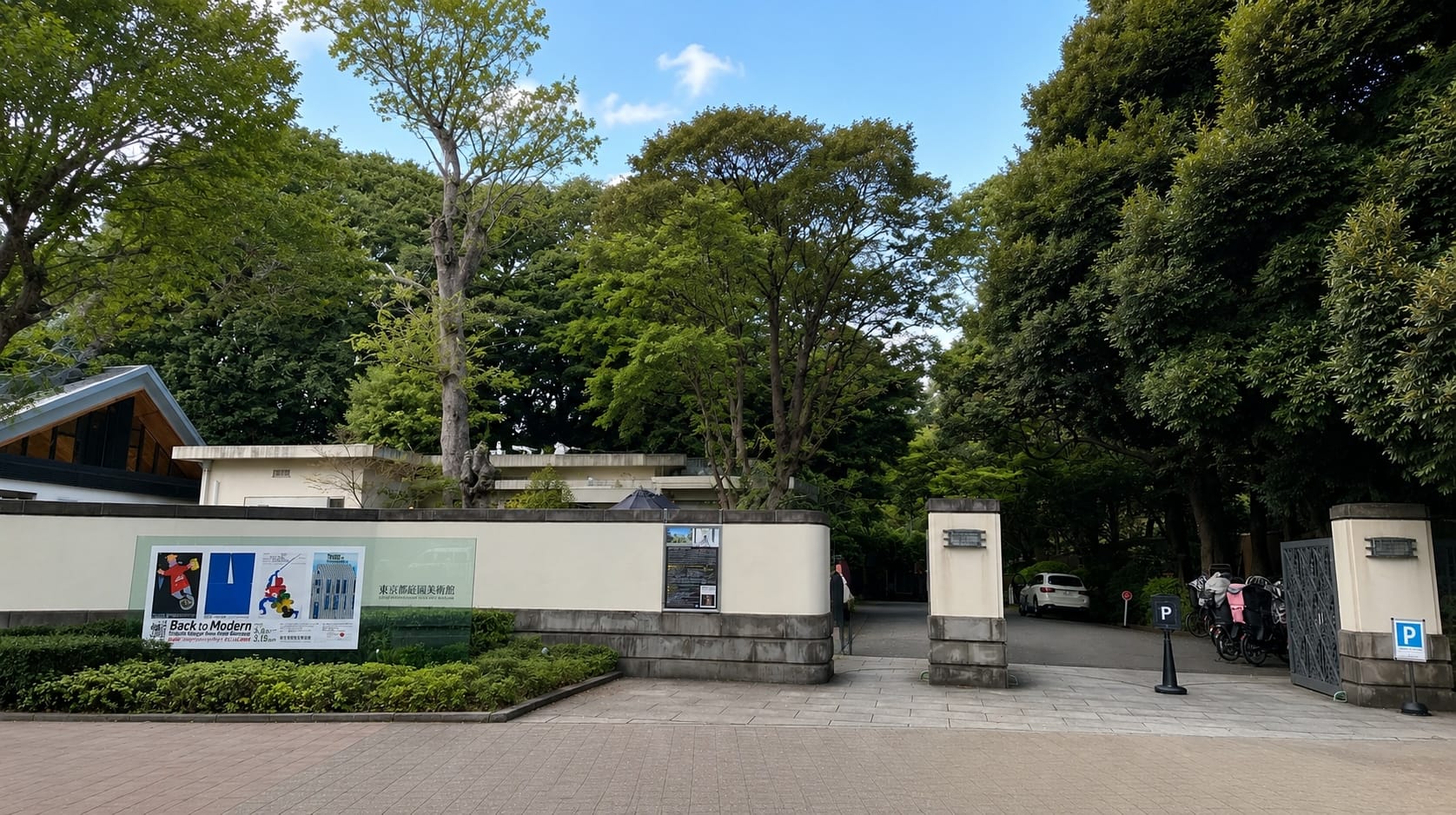
The walk ends at the Tokyo Metropolitan Teien Art Museum, a residence built in 1933 for Prince Asaka Yasuhiko. After a trip to the United States in 1925, the prince fell for the Art Deco movement and commissioned this building on his return — interiors designed by French designer Henri Rapin, with glasswork by Rene Lalique, in a Japan-France collaboration that involved over 100 people. The prince's family lived here until 1947; the building opened to the public as a museum in 1983 and reopened in 2014 after a major renovation. It remains one of the most complete Art Deco interiors anywhere in the world.
Pricing note: This is a private tour priced per person. Solo travellers: ¥18,000. Groups of 2–6: ¥15,000 per person.