
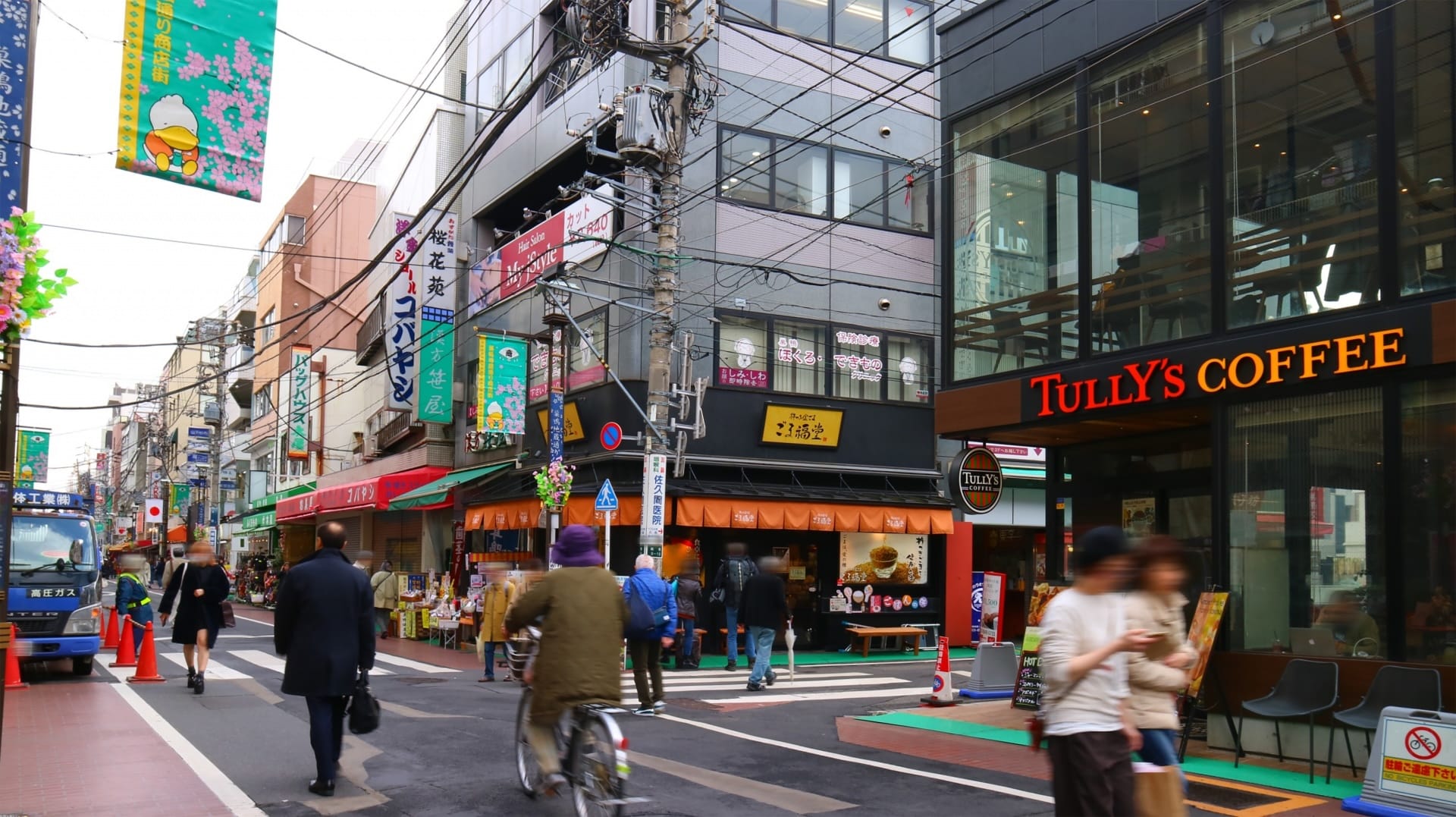
TOKYO Neighbourhood Walk: Otsuka — Tram, Showa Shotengai & Local Life
A ride on Tokyo's last surviving tram, a Showa-era shopping street frozen in 1971, and a shrine guarding the ancient village that gave Otsuka its name — the neighbourhood Ikebukuro overshadowed but never erased.
The last tram in Tokyo, and the neighbourhood time forgot to update.
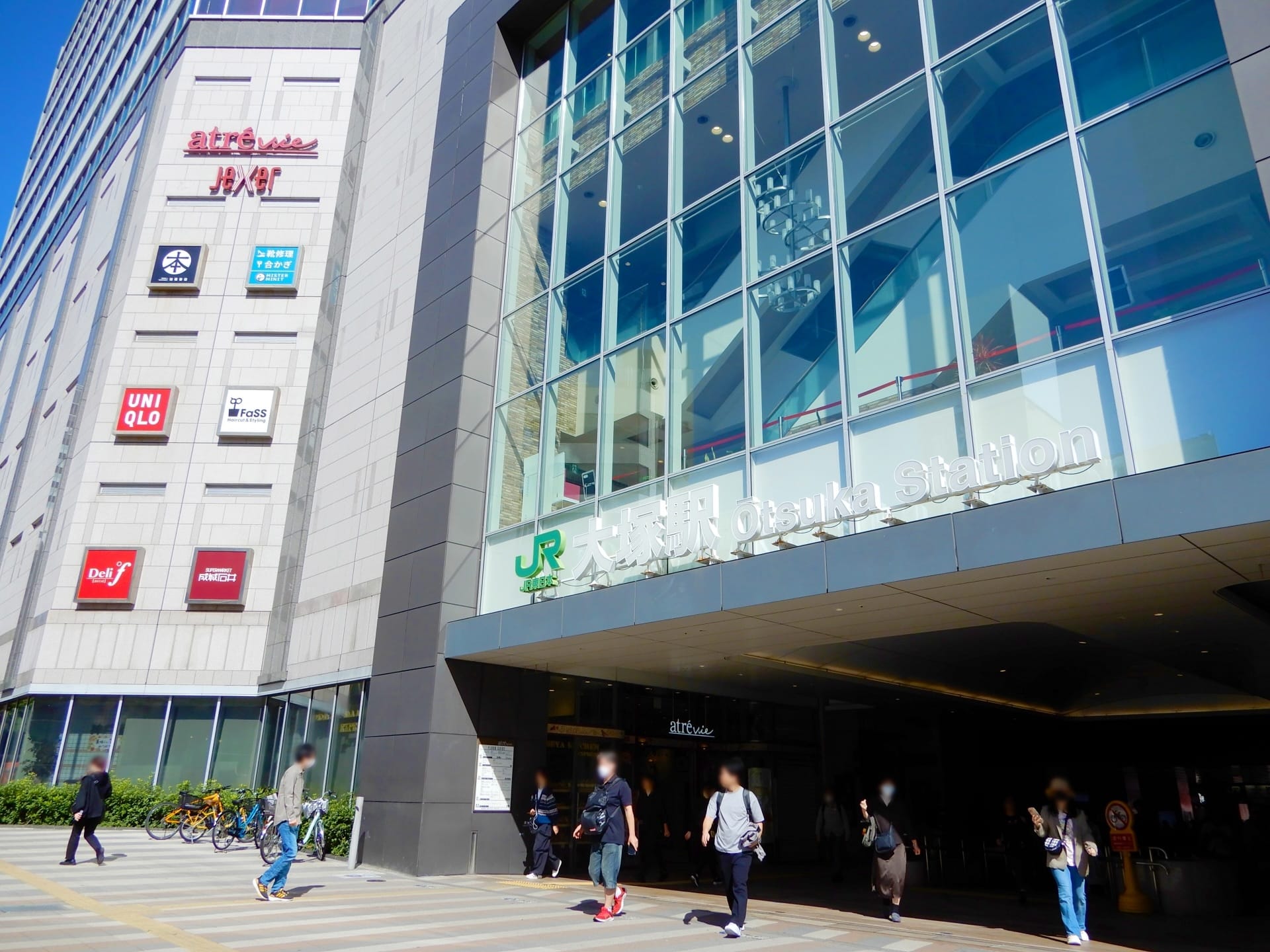
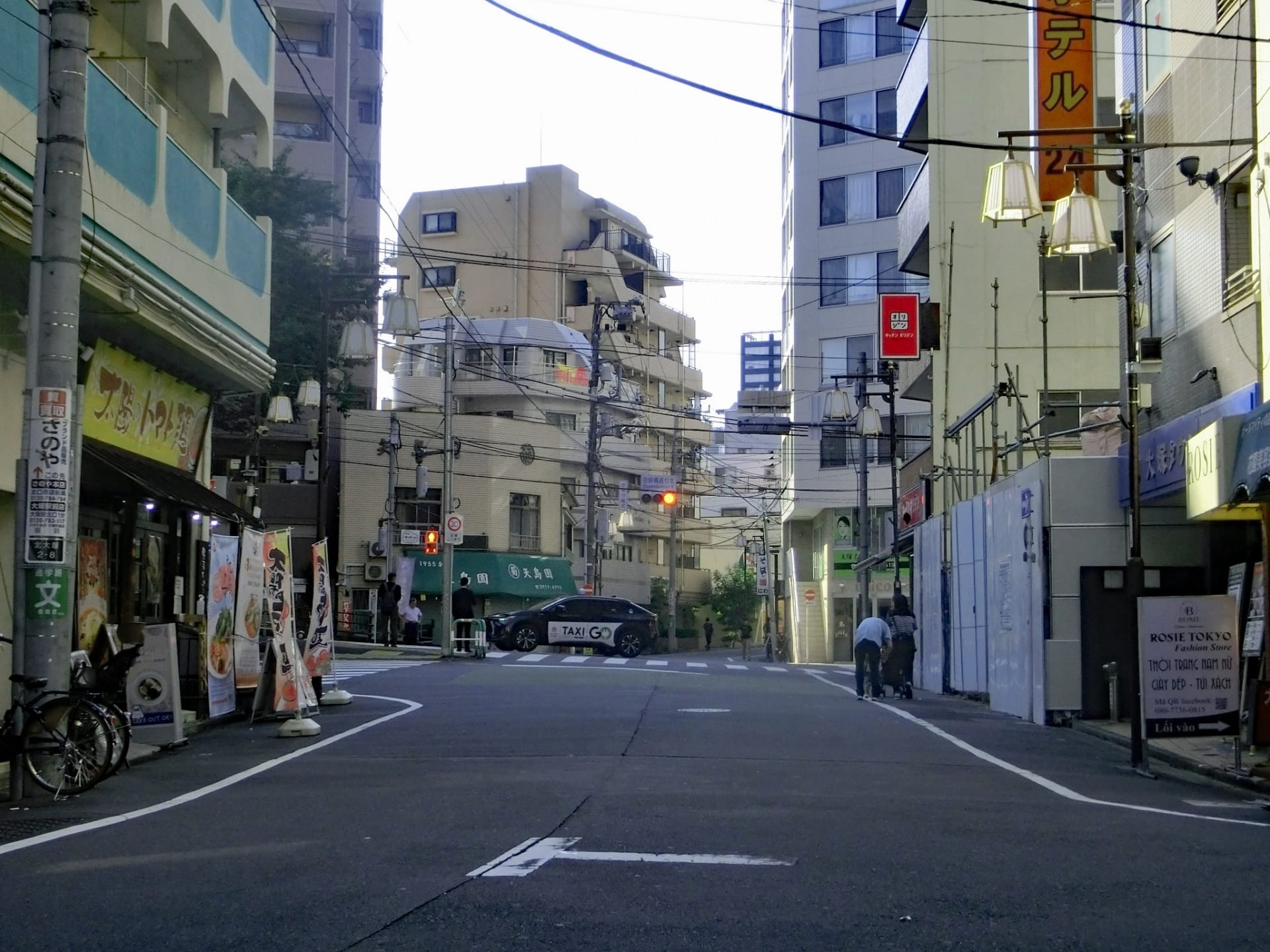
Part of the Tokyo Yamanote Line Walk series — slow walks through the neighbourhoods along Tokyo's famous loop line, one station at a time. Otsuka Station opened on 1 April 1903, built on land that once belonged to the village of Sugamo. Otsuka (大塚) literally means "great mound" — some say the name comes from an ancient burial mound that once stood nearby — and over the decades the station's name gradually replaced Sugamo as what people called this stretch of Tokyo.
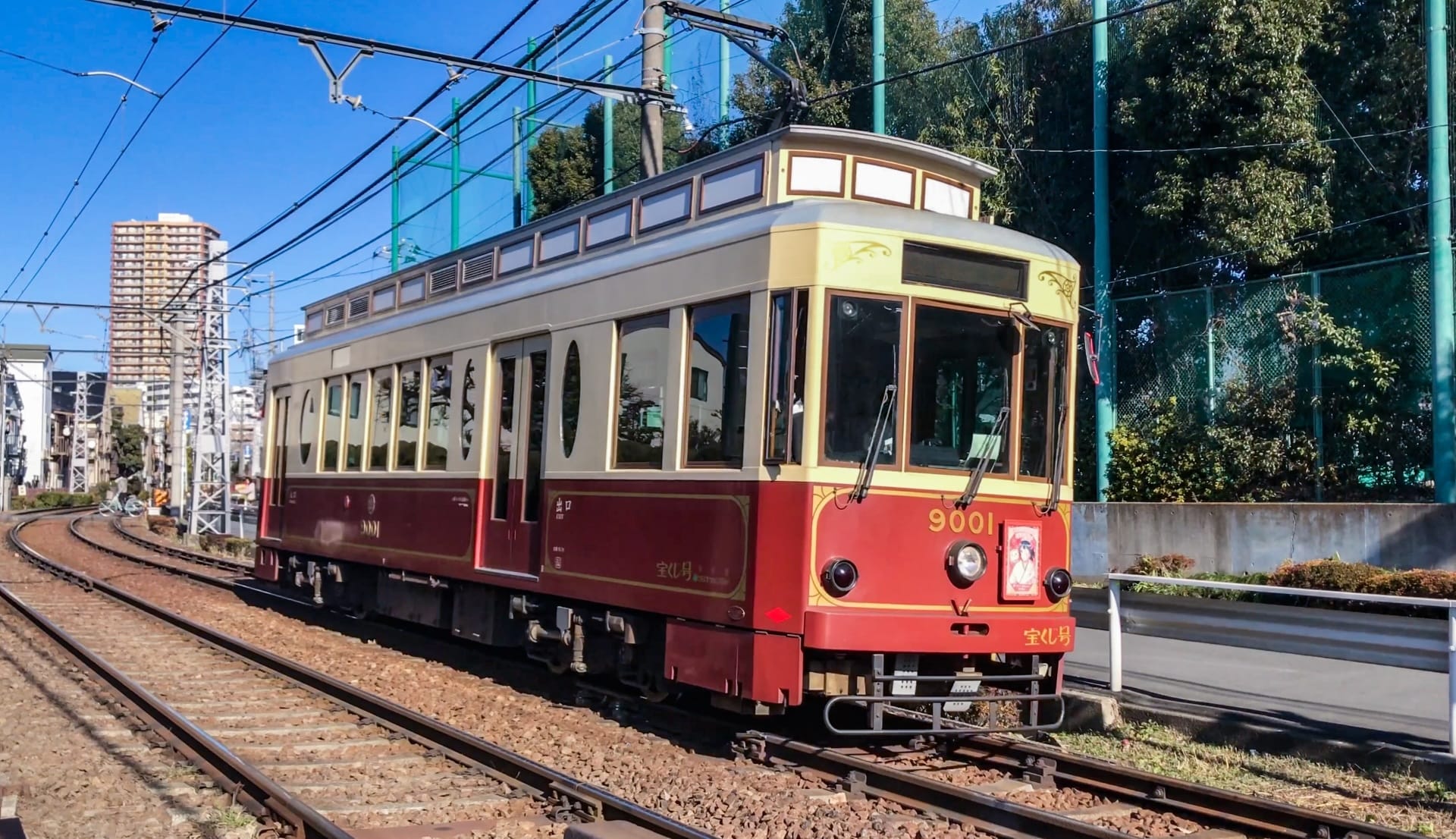
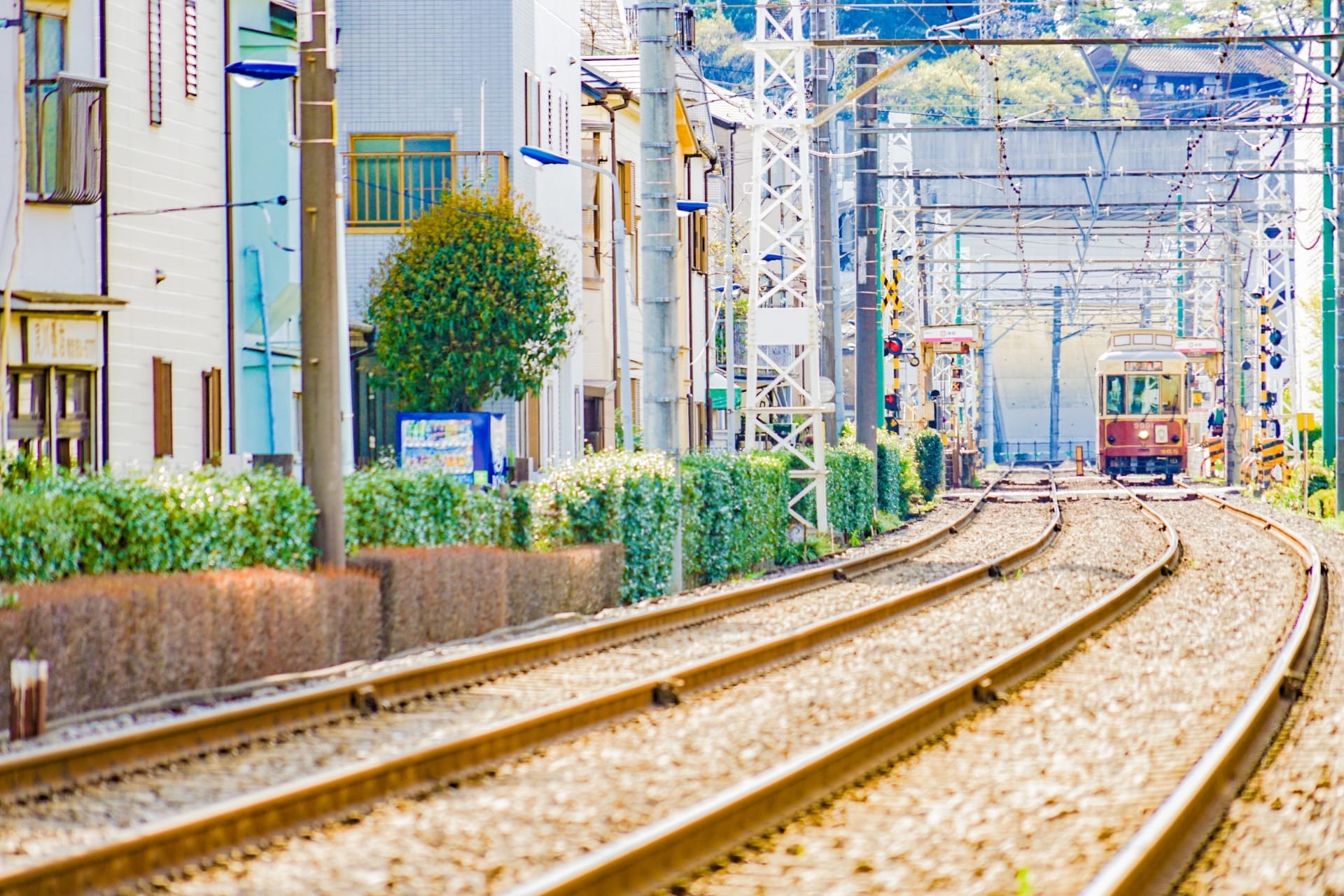
Tokyo once had one of the largest tram networks in the world; almost all of it is gone. The Toden Arakawa Line is one of only two survivors, and its oldest stretch has been running since 1913. When the rest of the network was shut down in the 1960s, local residents fought to save this line, and it was eventually sold to the Tokyo Metropolitan Bureau of Transportation in 1974. In 2017 it picked up an official nickname, the Tokyo Sakura Tram. A ride costs ¥170 — one of the most quietly pleasurable things you can do in this city.
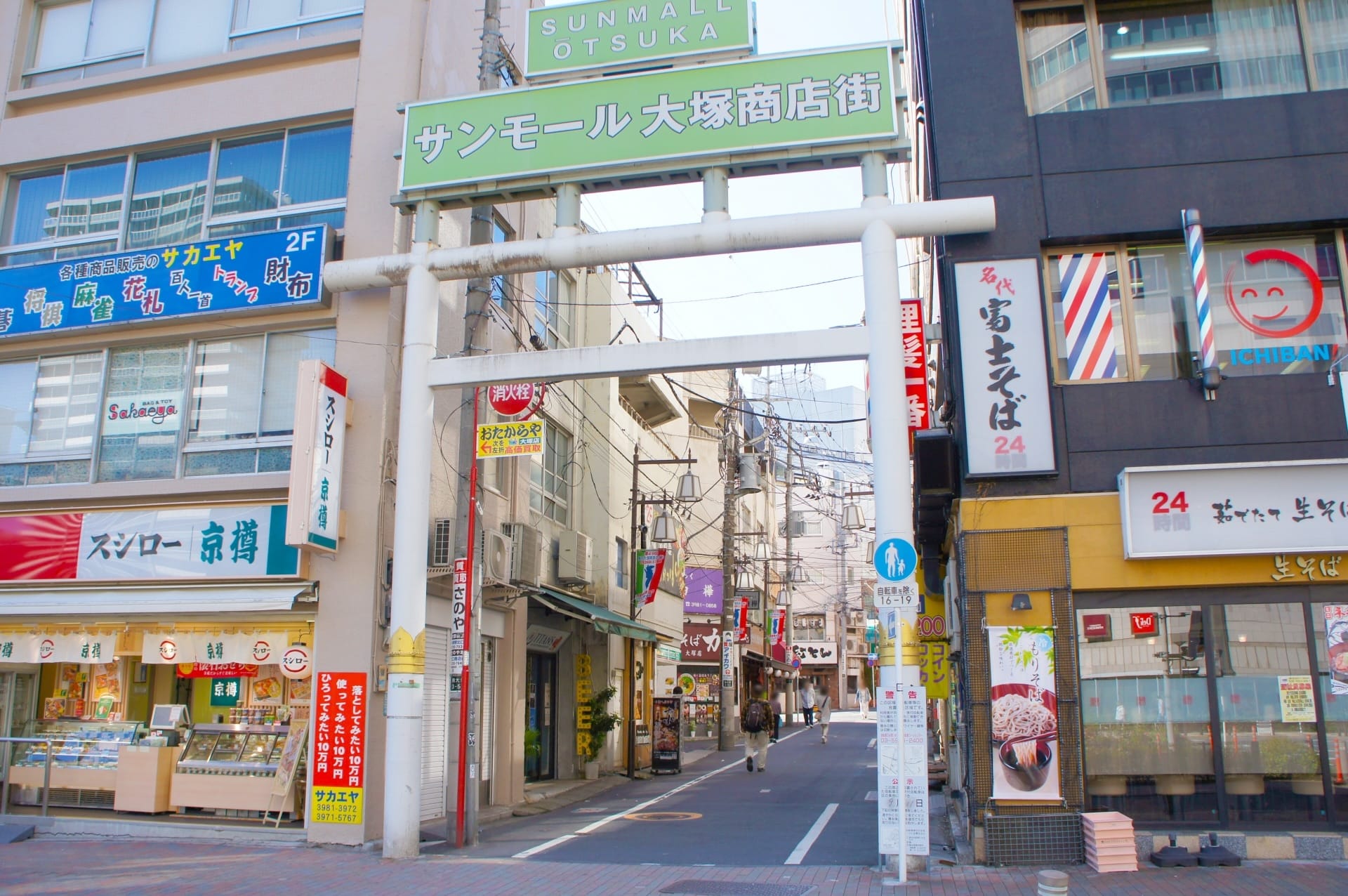
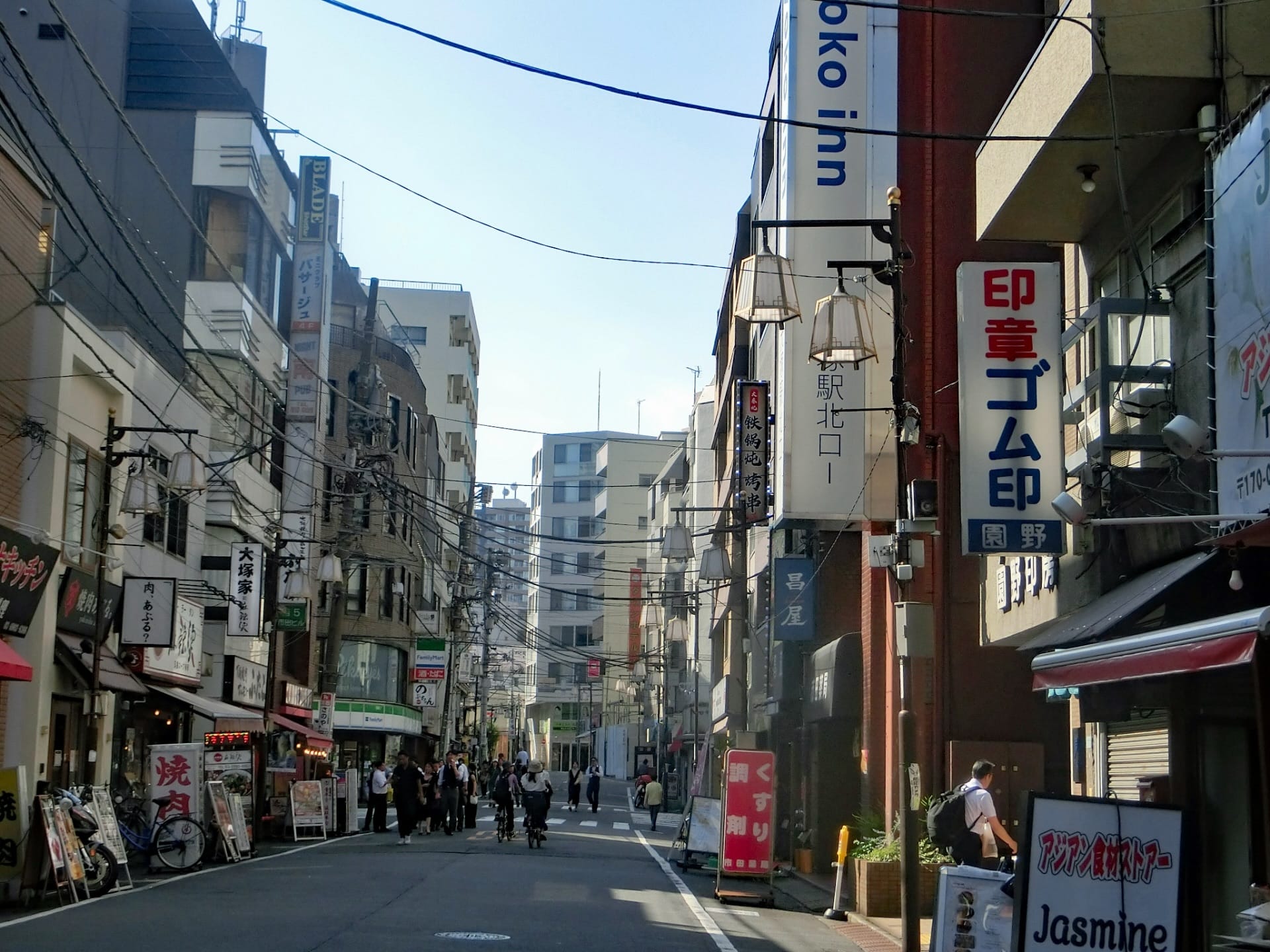
The covered shopping street by the station, Otsuka Shotengai, was established in 1971 — late enough that it has no real connection to the pre-war commercial district that once thrived here (a legacy that survives only in a street name, Sangyo-dori, "industry street"), but early enough that it still runs on Showa-era rhythms: the fishmonger, the tofu shop, the standing noodle bar that never got the memo to modernise.
In the backstreets, keep an eye out for Tenso Jinja, a shrine with roots in the Kamakura period, founded in the 13th century to give thanks for rain during a drought. Its two ancient trees are said to be 500 to 600 years old, and still bear scorch marks from the air raids of the Second World War.
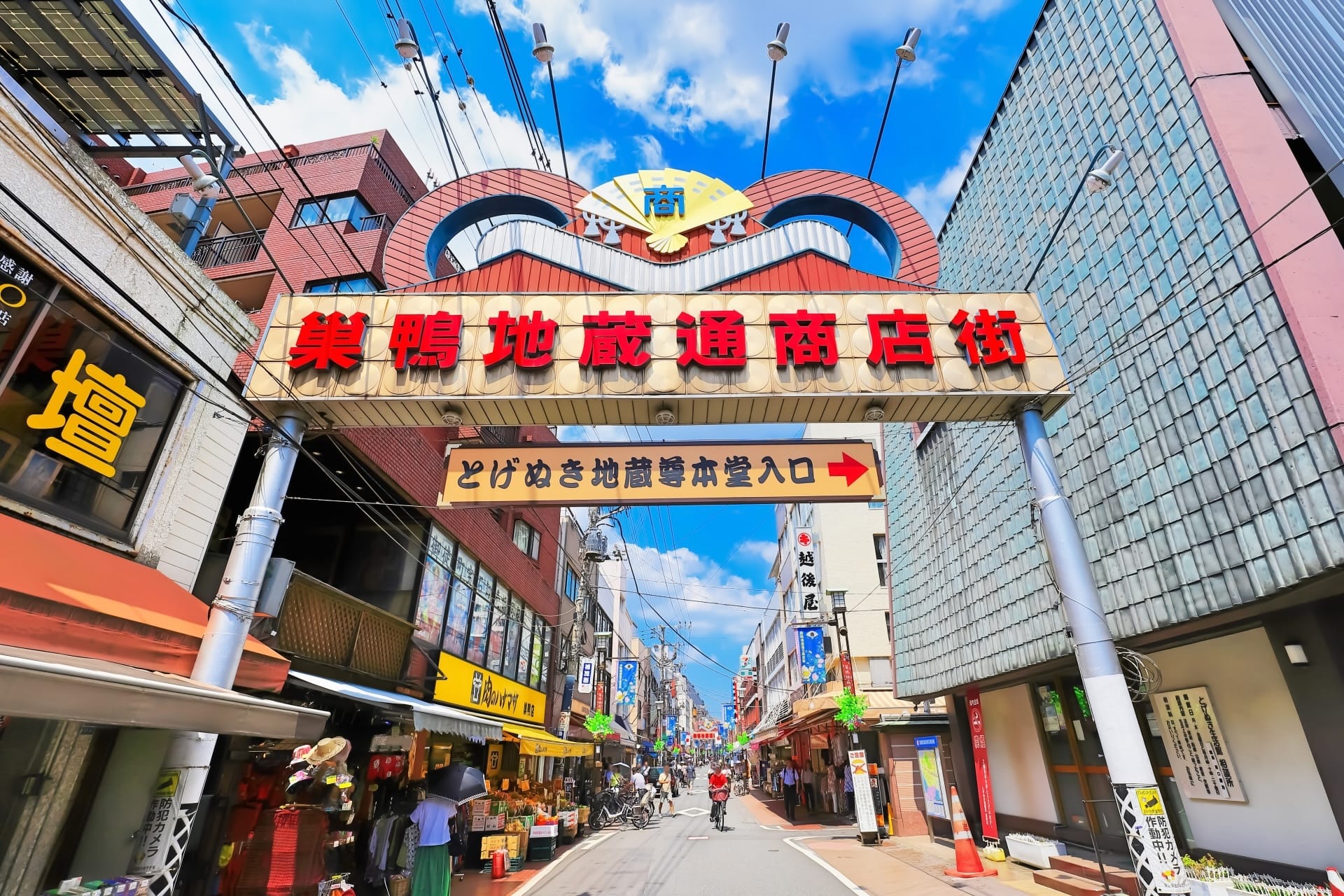
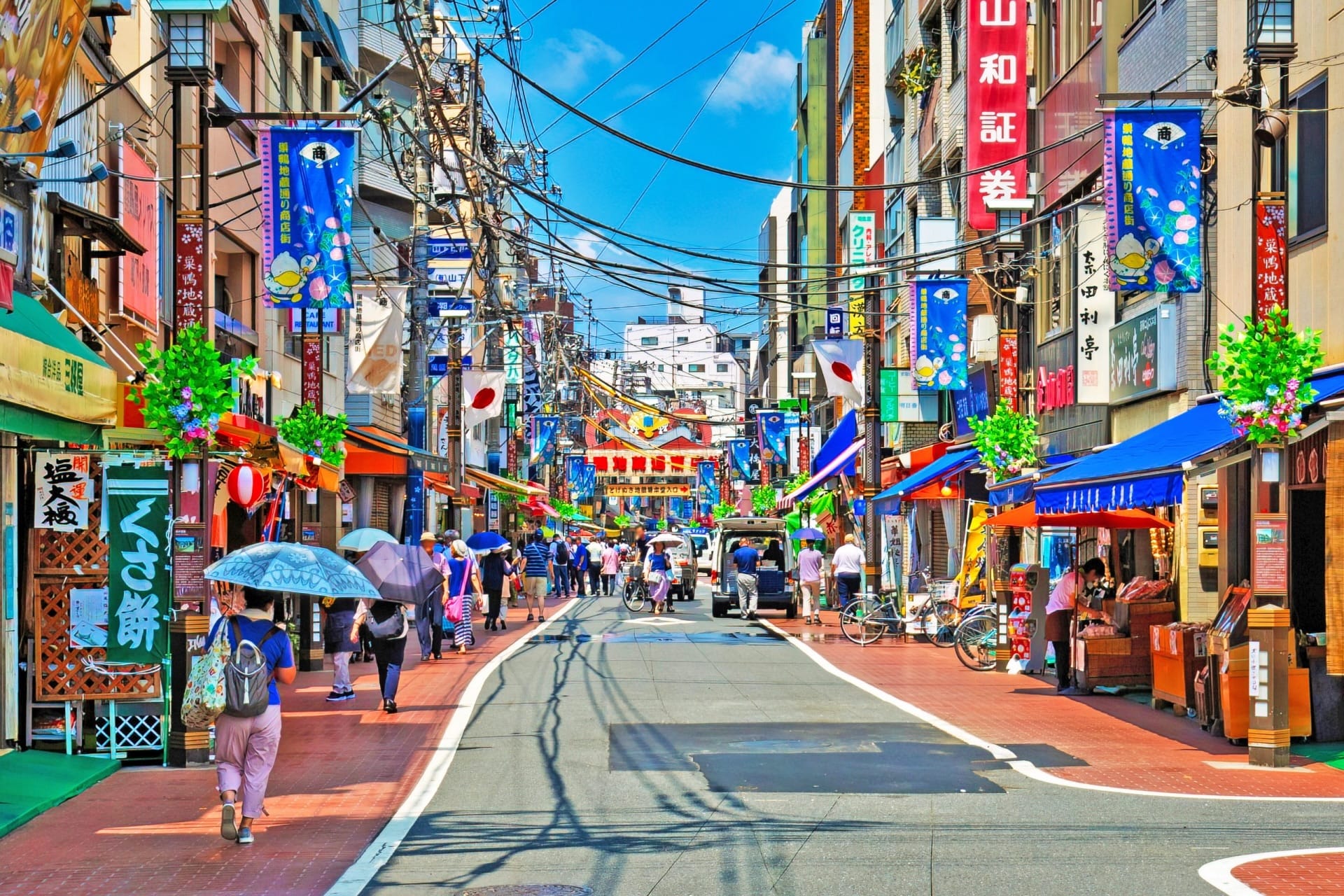
Otsuka's final stretch quietly hands you off to its neighbour: the walk ends at the approach to Sugamo's Jizo-dori, Tokyo's famous "Grandma's Harajuku." We don't cover Jizo-dori itself here — that's its own walk in this series — but this is where the two neighbourhoods blur into one, and you'll see why locals treat the border as fairly meaningless.
Pricing note: This is a private tour priced per person. Solo travellers: ¥18,000. Groups of 2–6: ¥15,000 per person.