
TOKYO Neighbourhood Walk: Ueno — Museums, Market & Cherry Blossoms
A walk through Tokyo's first public park: a shogun's shrine that survived three catastrophes, the country's oldest museum, and a market born from the rubble of war.
One park, four centuries of Tokyo.
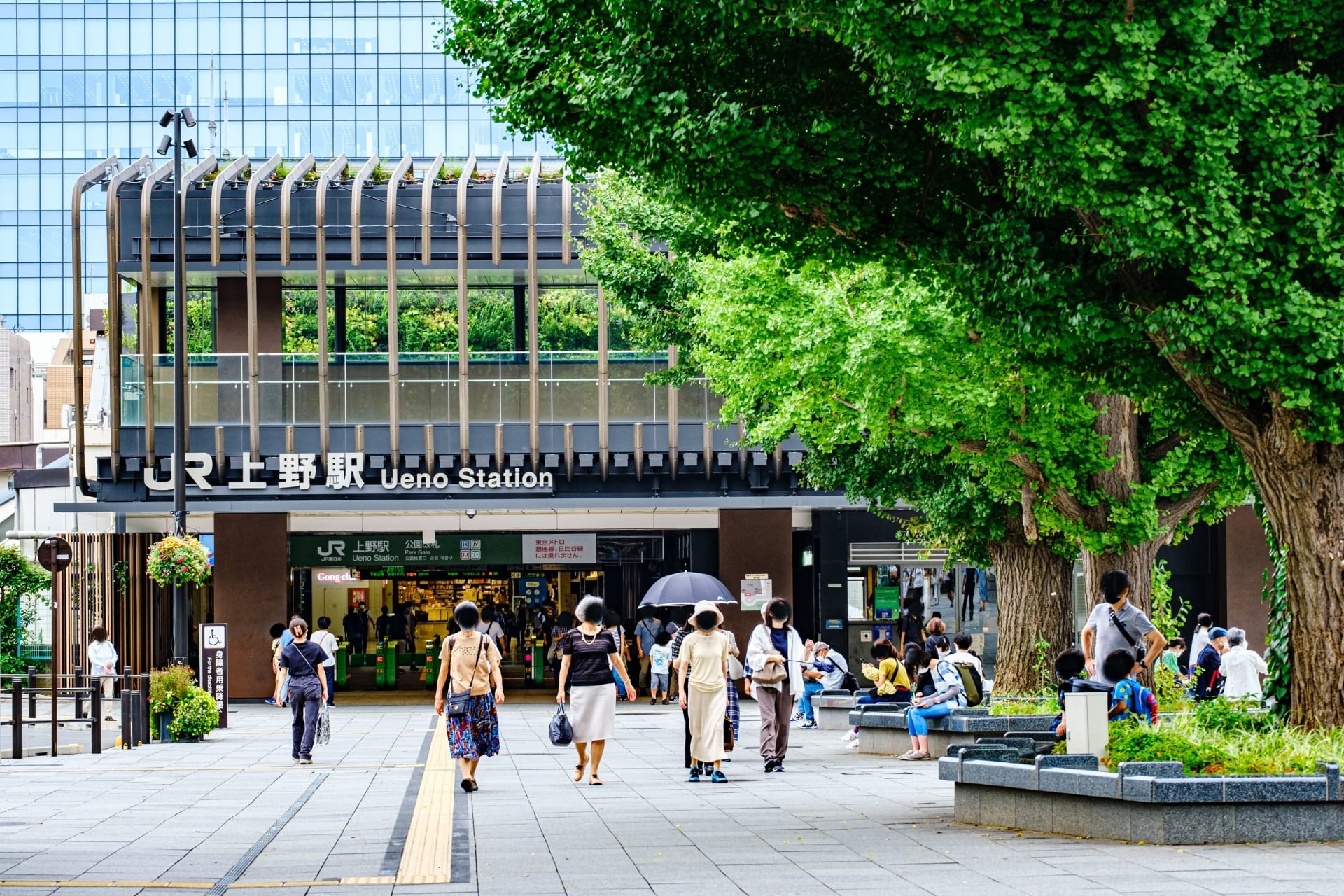
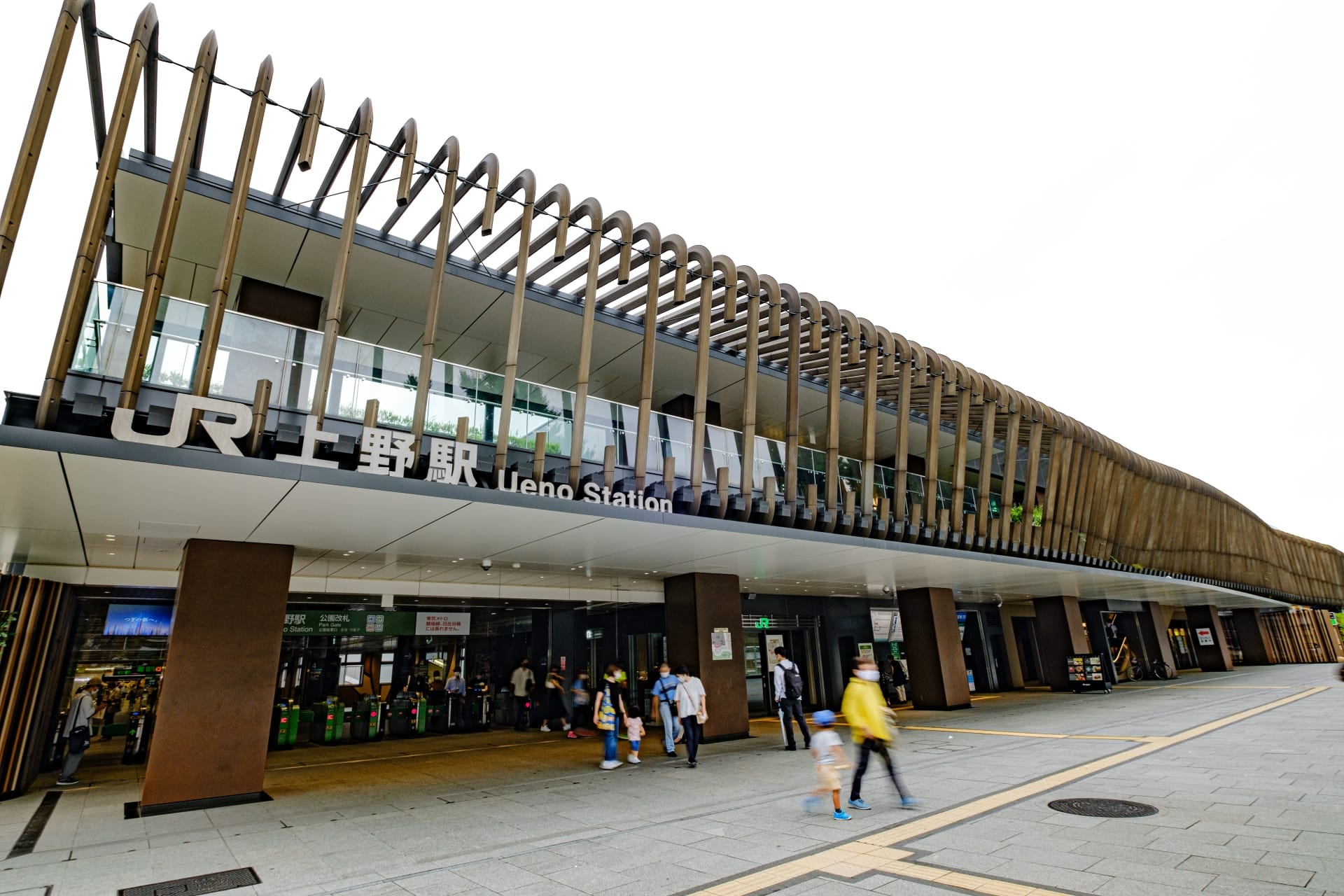
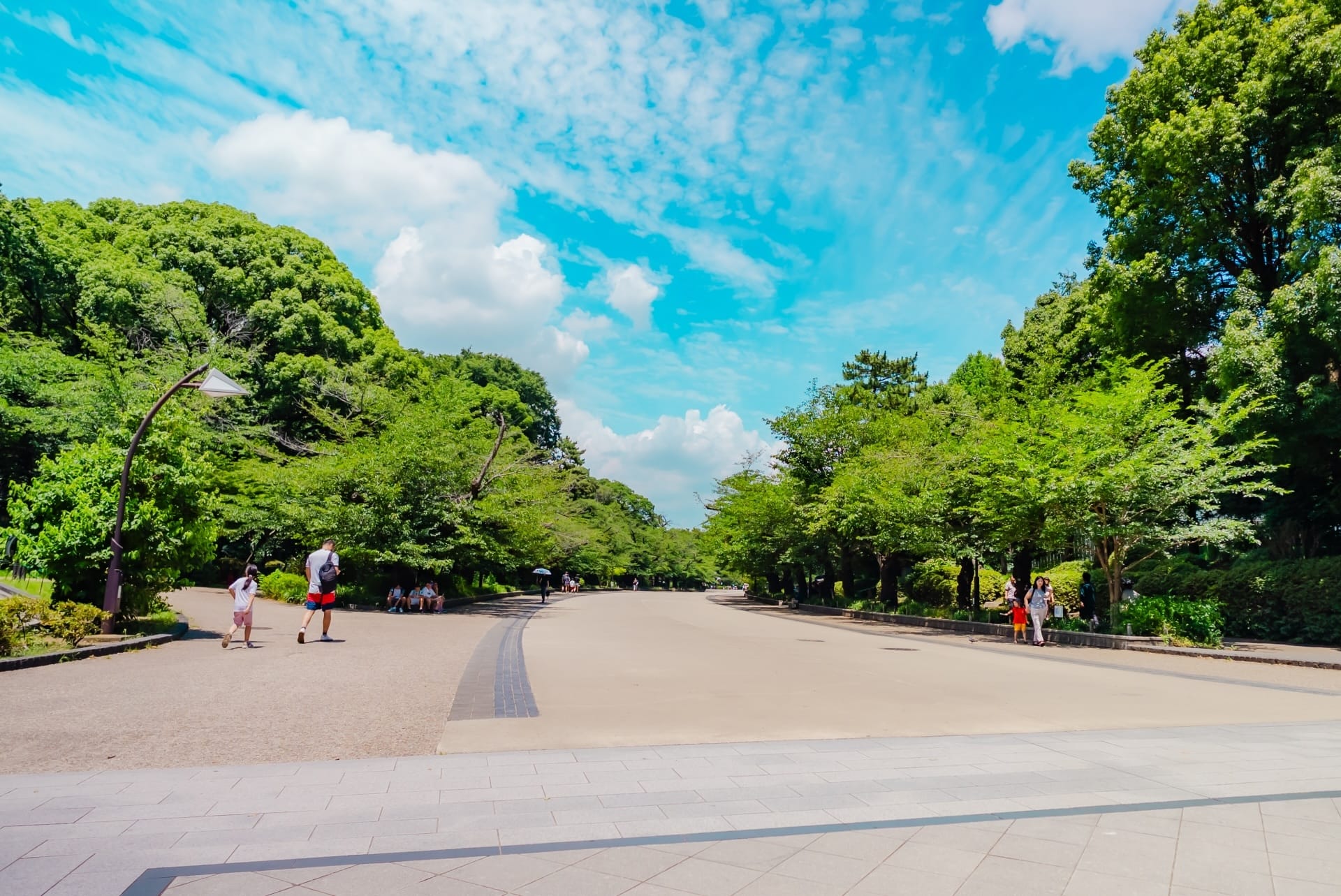
Ueno Station opens straight onto Ueno Park, Japan's first public park, designated by government decree in 1873. The land had been the grounds of Kan'eiji Temple until 1868, when it burned down in the Battle of Ueno, the last stand of shogunate loyalists against the new imperial government. Rather than redevelop the ruins, the city kept it as parkland, and it's been Tokyo's cultural heart ever since.
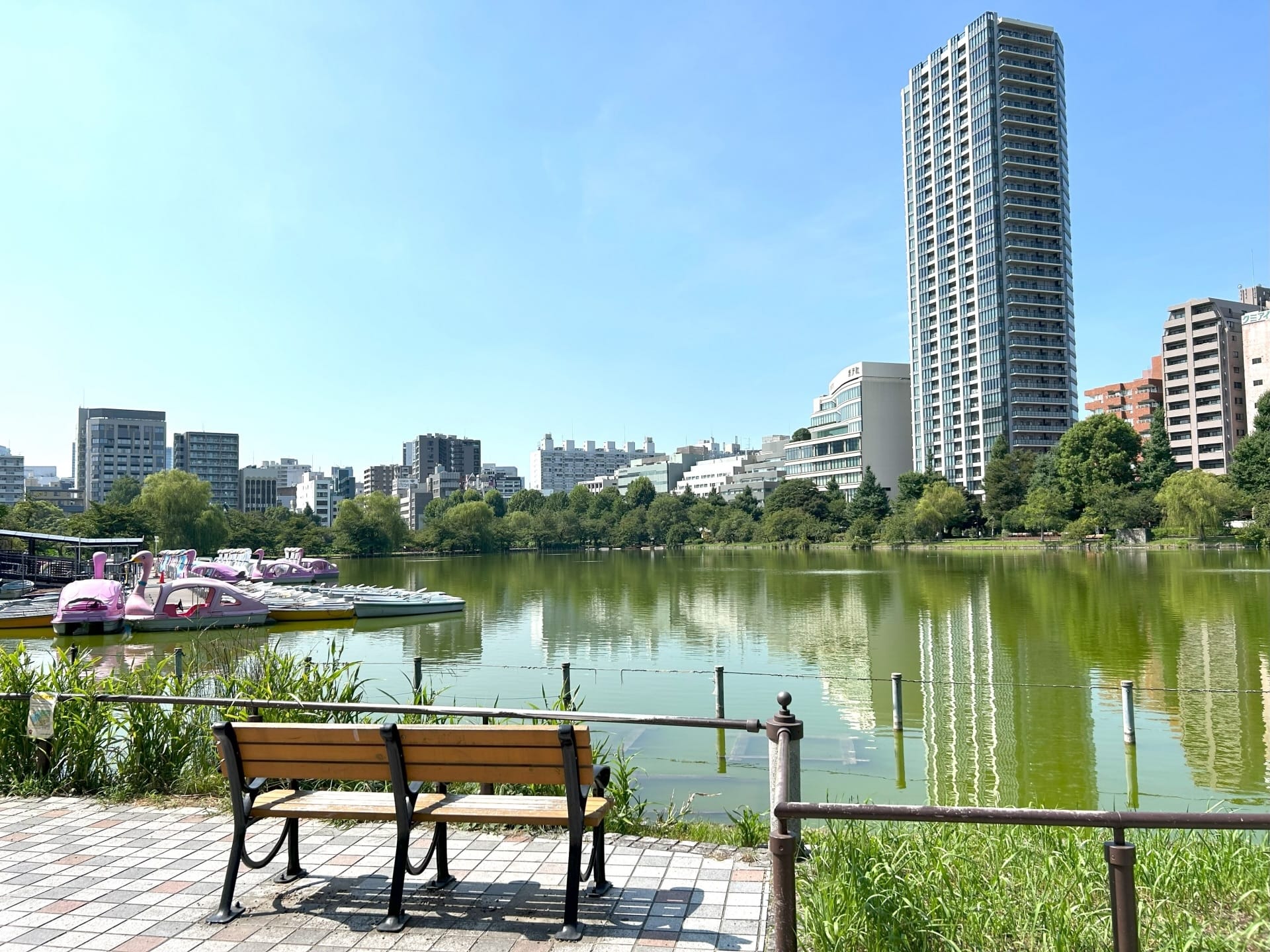
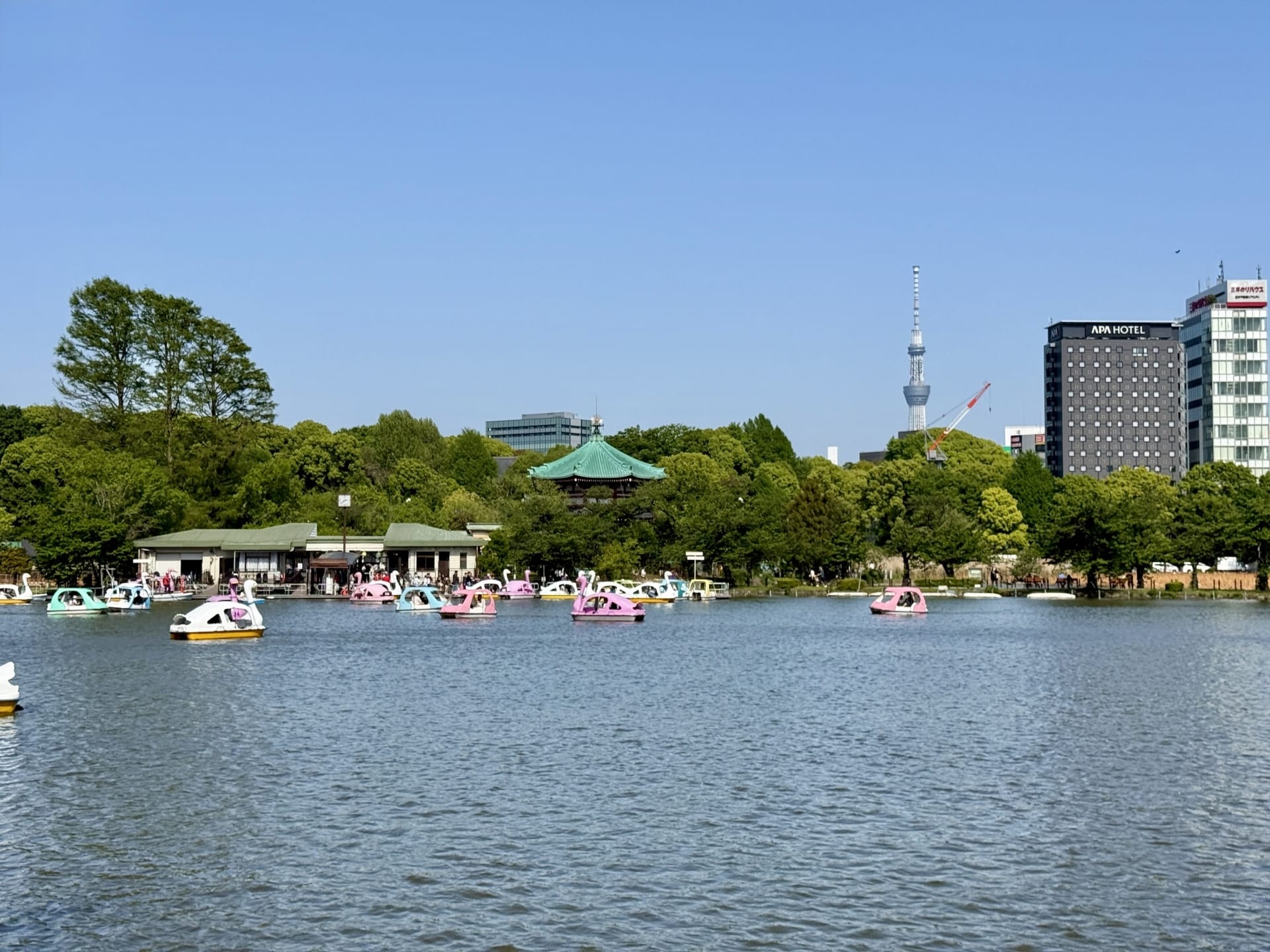
Just inside the park, Shinobazu Pond splits into three: a lotus pond thick with green leaves in summer, a duck pond for birdwatching, and a boat dock. At its centre sits Bentendo, a shrine to Benzaiten, goddess of music and fortune, reached by a causeway across the water.
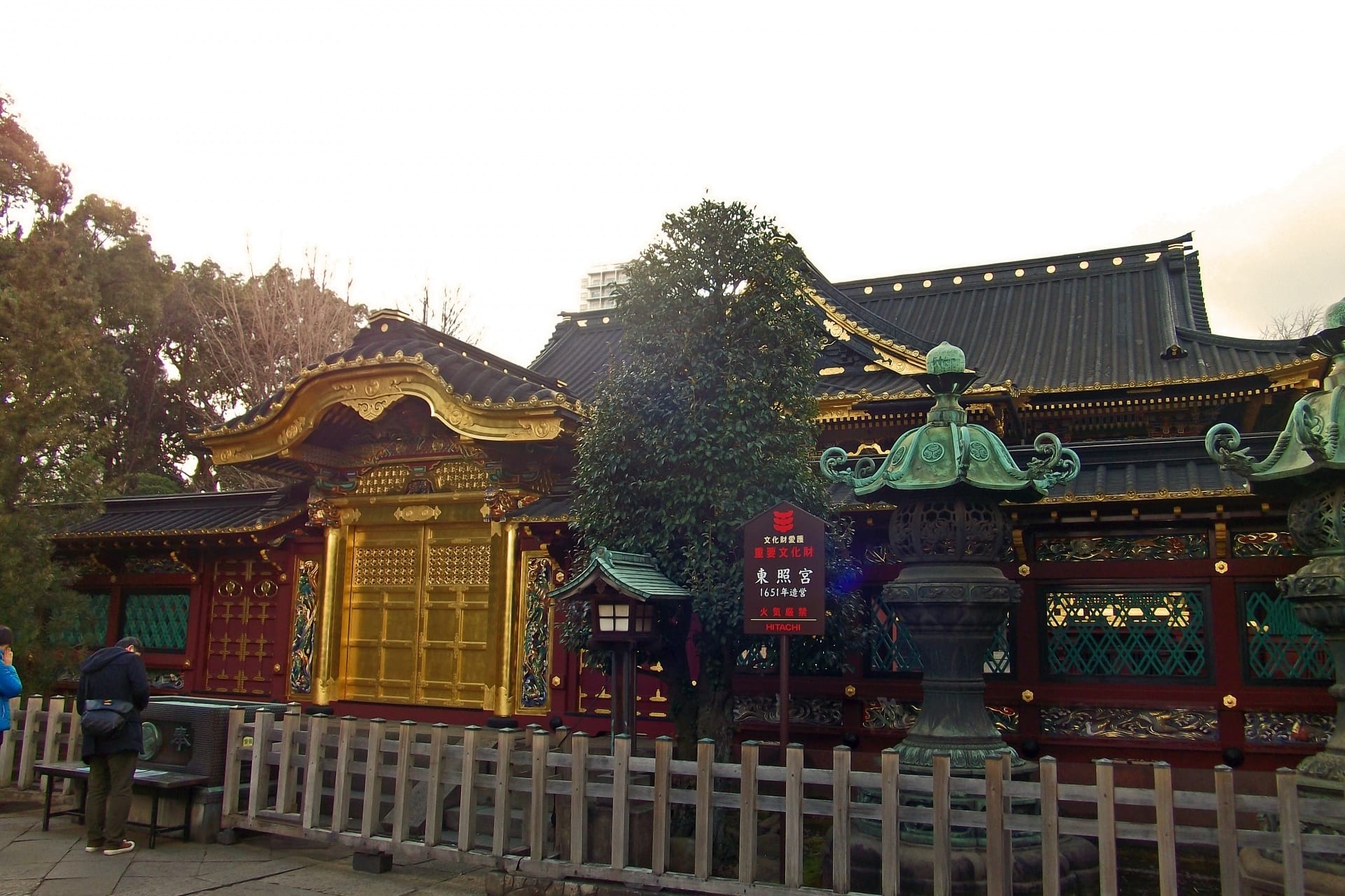
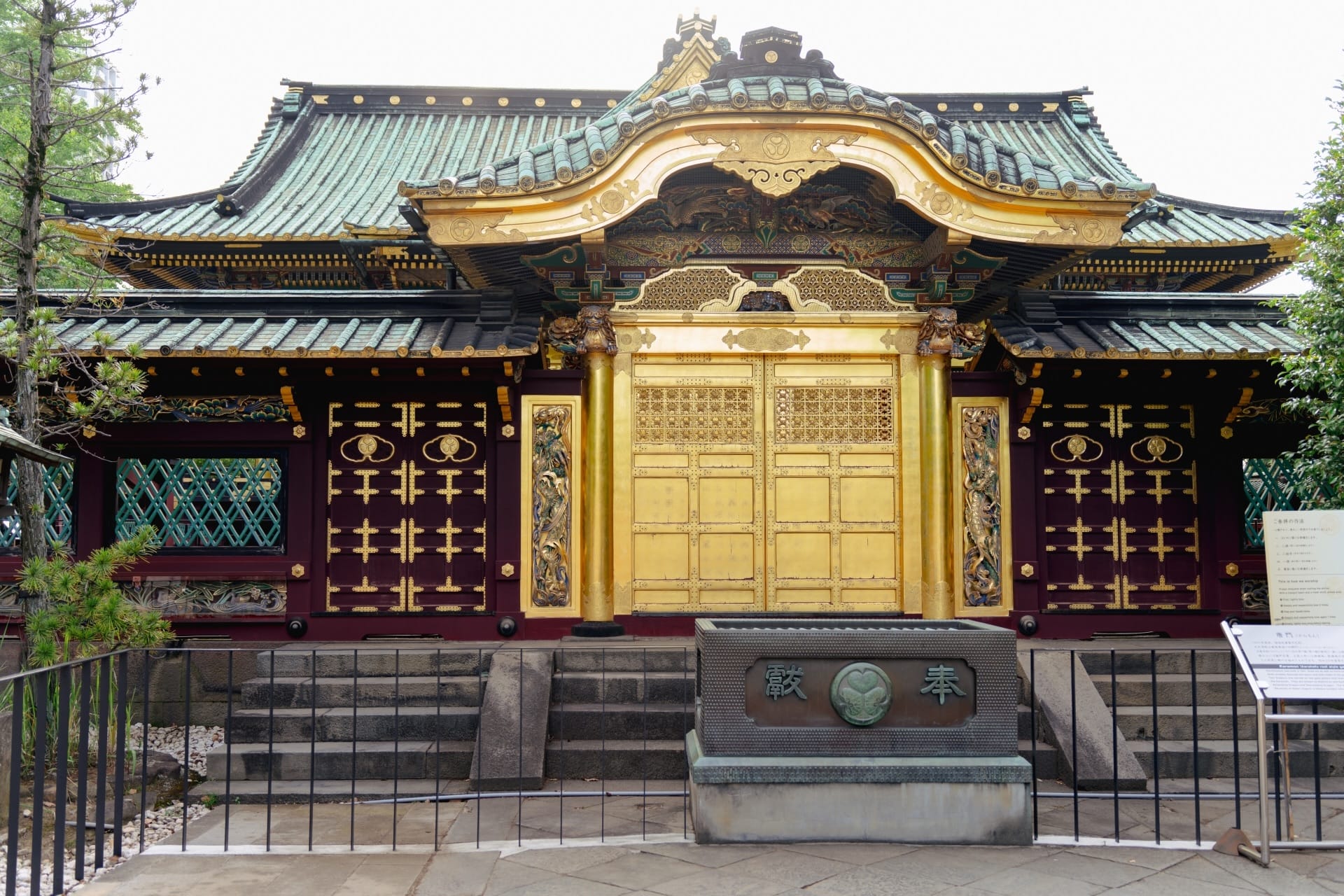
Ueno Toshogu Shrine has stood since 1616, one of dozens built nationwide to deify Tokugawa Ieyasu, founder of the Edo shogunate. Its gold-leafed buildings are the real thing: they survived the Battle of Ueno in 1868, the 1923 earthquake, and the 1945 firebombing without major damage.
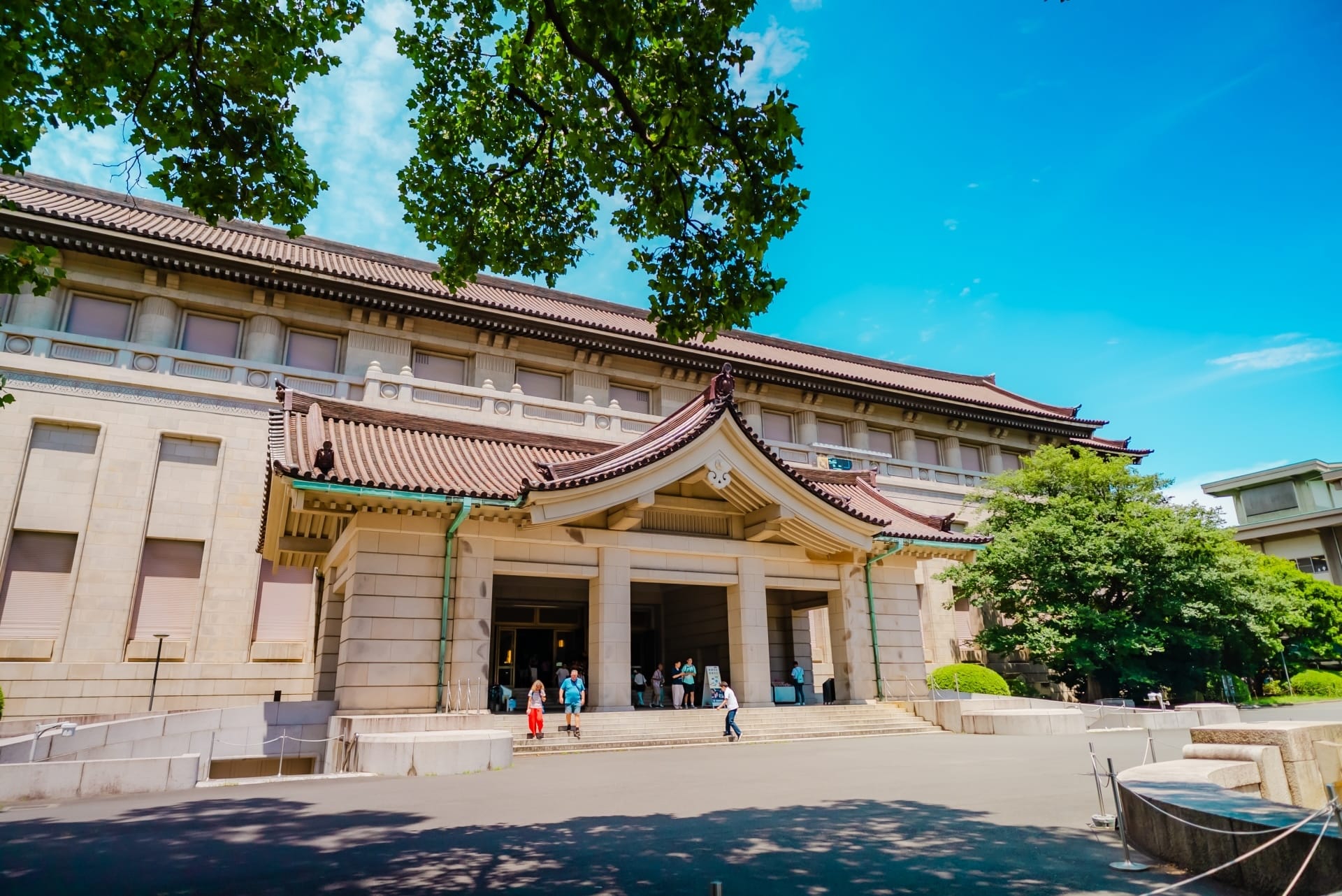
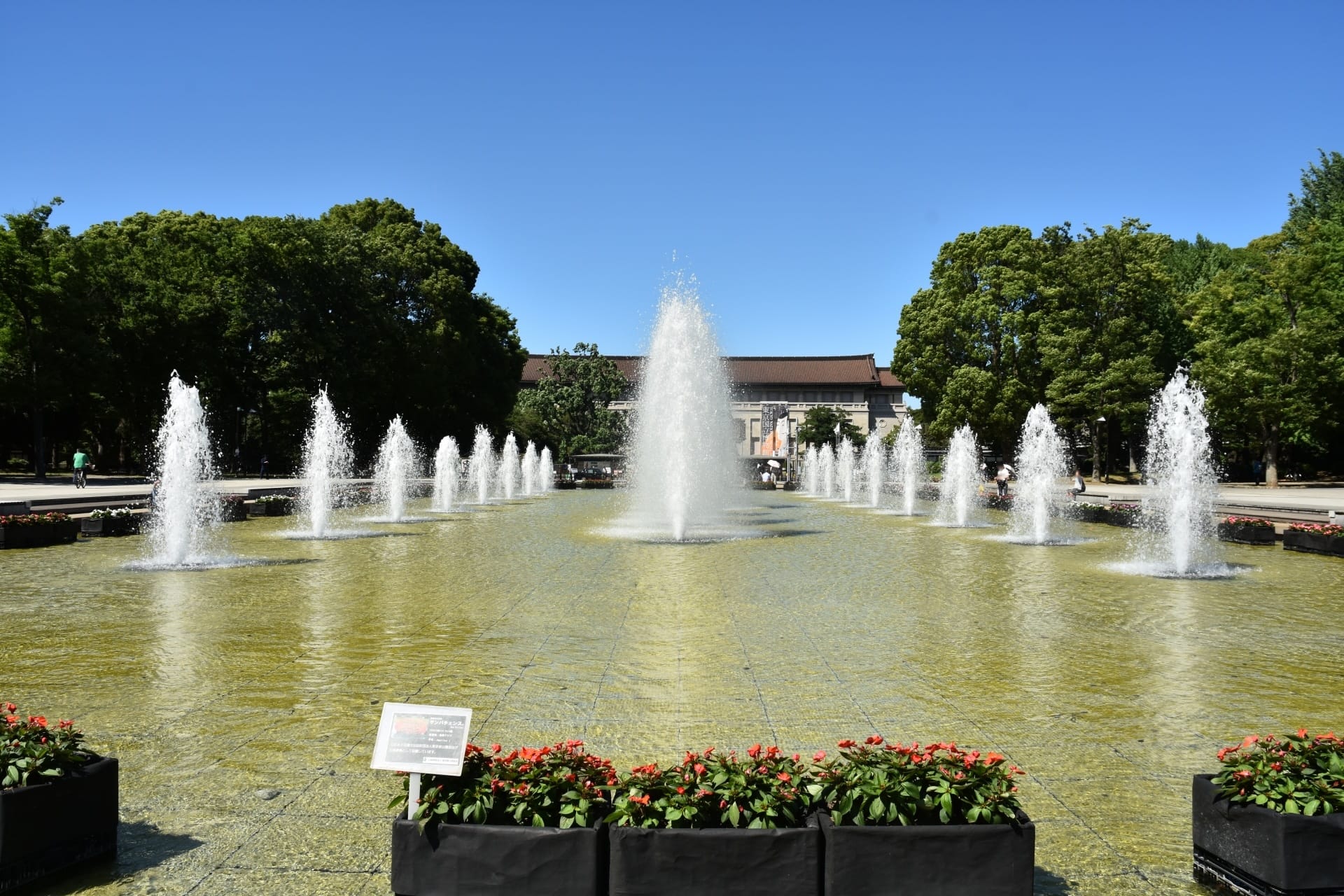
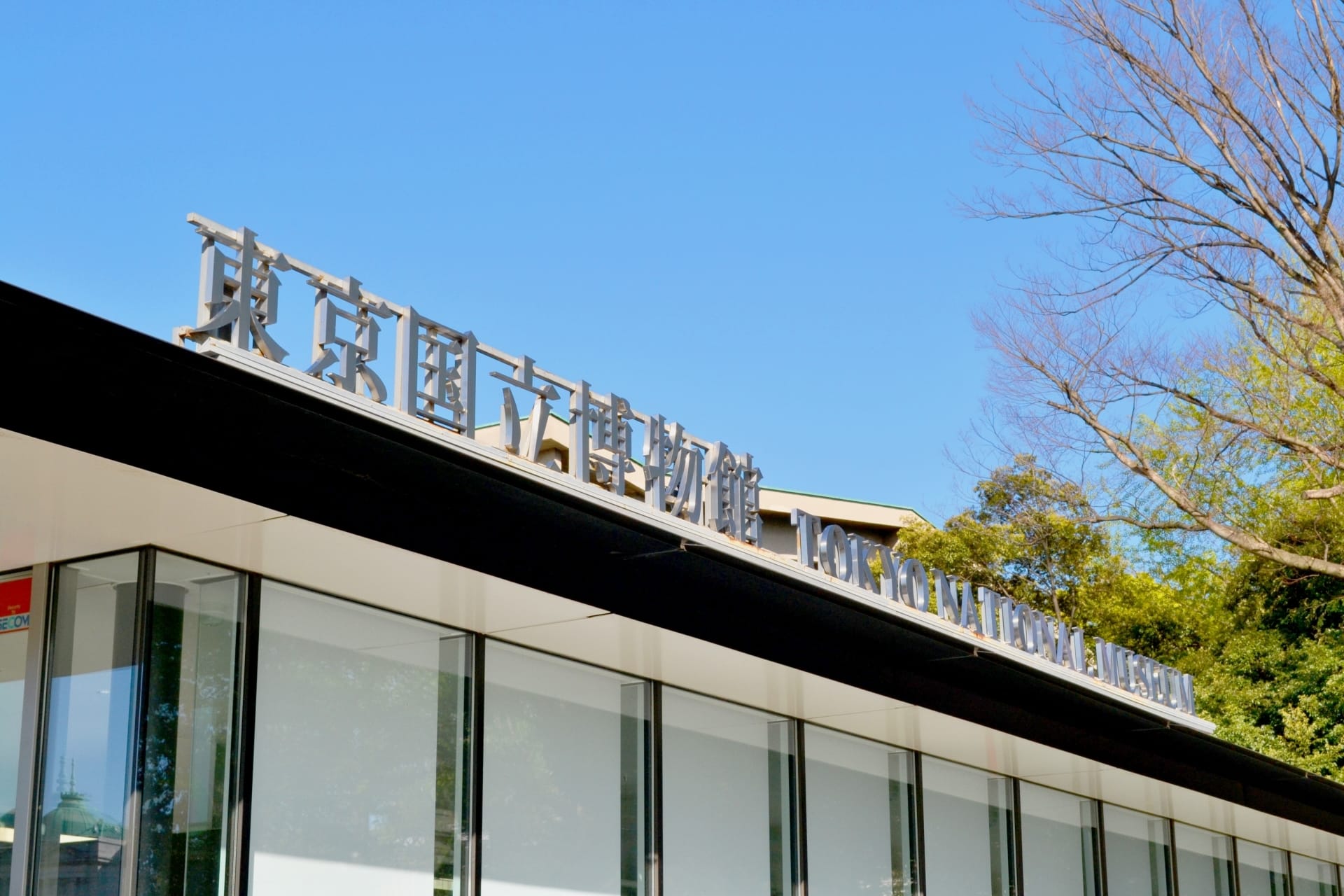
The walk passes Tokyo National Museum, founded in 1872 and the oldest museum in Japan, home to the country's largest collection of national treasures — more than can be seen in a single visit, which is exactly why this walk only takes in the outside.
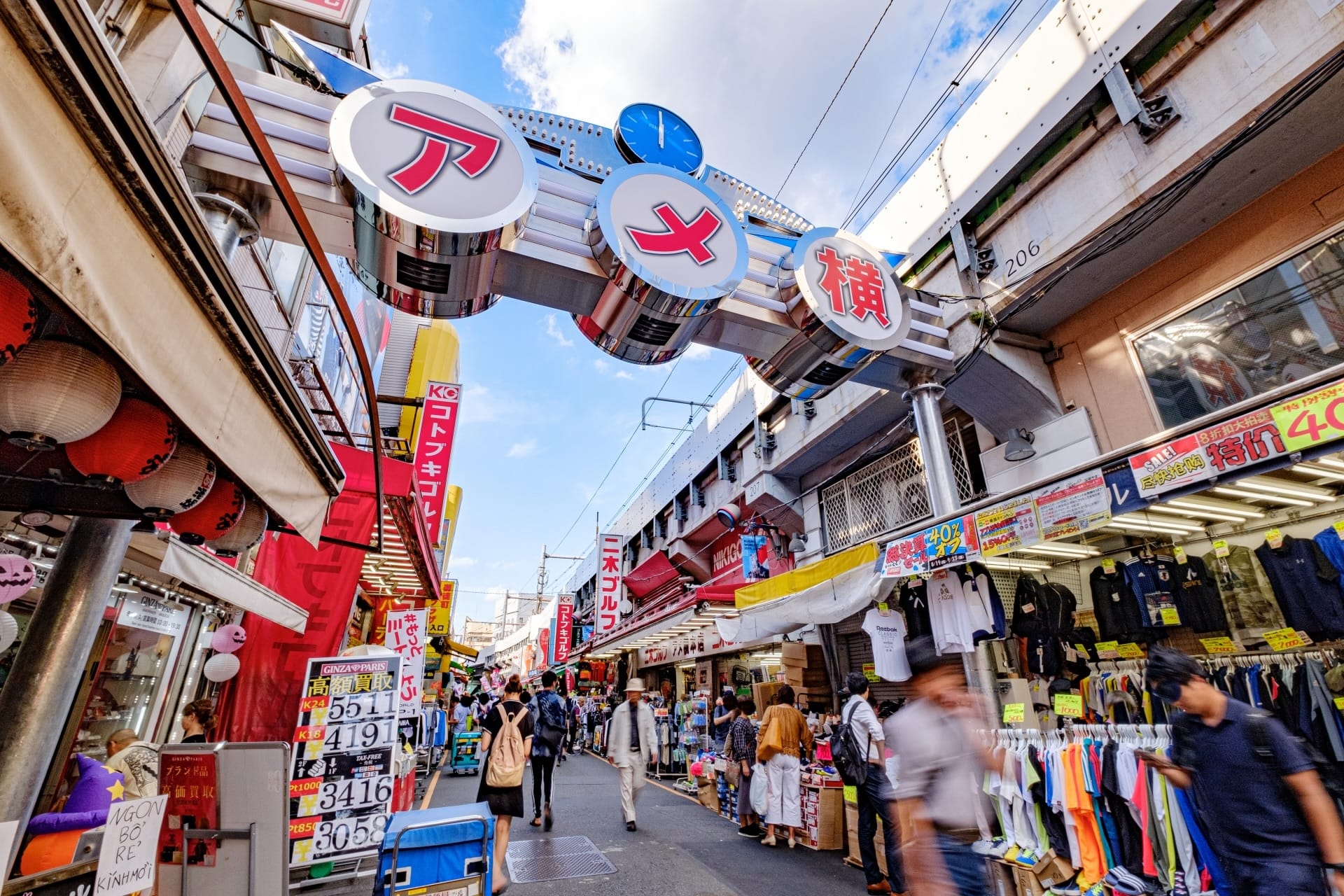
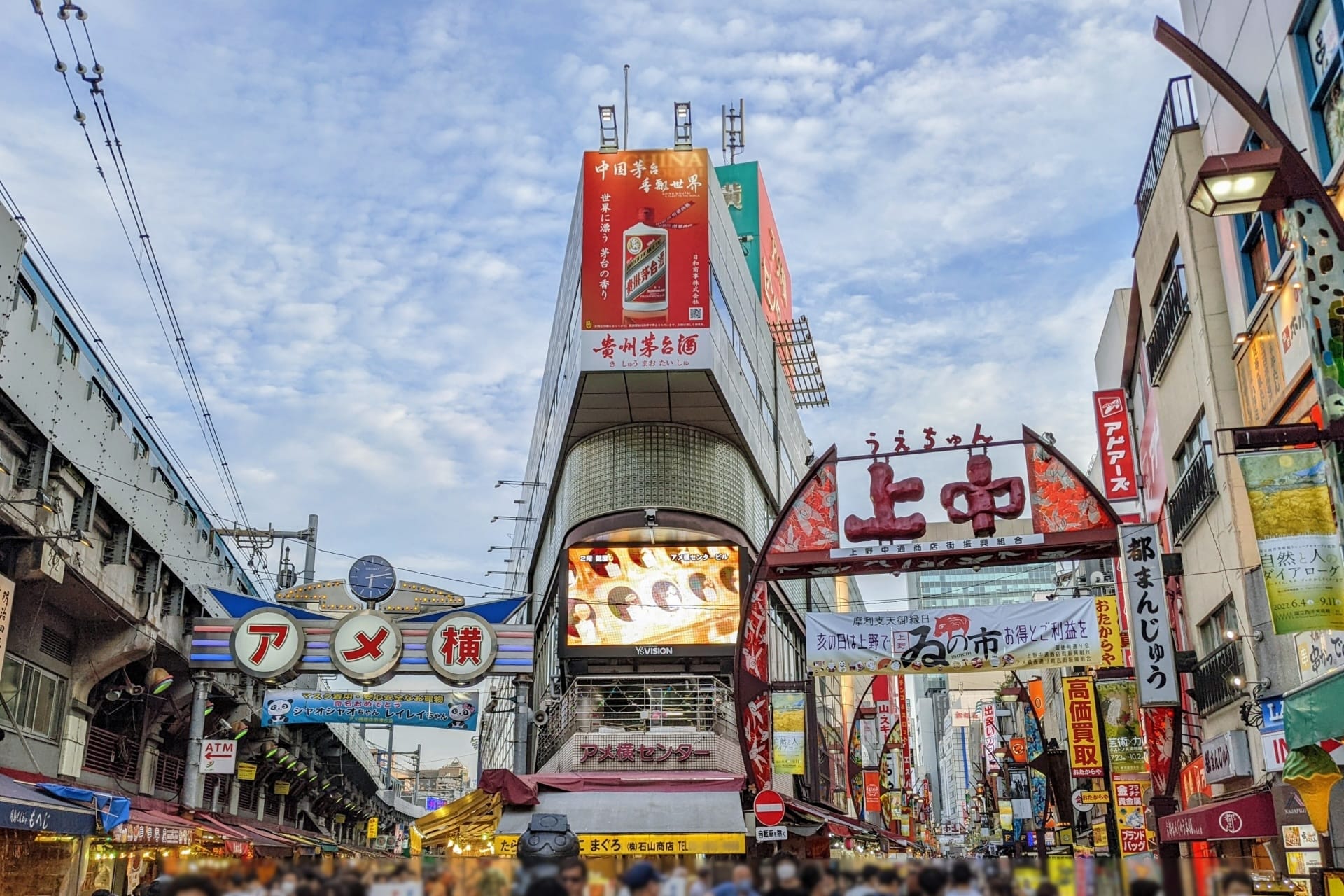
It ends at Ameya-Yokocho, a market street that grew out of the black market that sprang up in the rubble after World War II. Around 400 shops now sell everything from dried fish to designer goods, packed shoulder to shoulder under the JR tracks.
Pricing note: This is a private tour priced per person. Solo travellers: ¥18,000. Groups of 2–6: ¥15,000 per person.